
Keto Diet for Beginners: The Complete Guide
Editorial team · 8 min read
Keto Diet for Beginners: The Complete Guide
The keto diet is a very low-carb, higher-fat way of eating. If you are new to it, the first few days can feel confusing: what counts as a carb, how much fat is enough, and what to put on your plate. This guide explains the basics in plain English, shows you what to eat, and walks you through your first week.
This is general education, not medical advice. If you have a health condition or take medication, speak with a doctor before you start. We explain who should do that first in the section below.
What the keto diet is
"Keto" is short for ketogenic. A ketogenic diet keeps carbohydrates low enough that your body relies more on fat, and on compounds called ketones that the liver makes from fat, for energy.
In a typical modern keto plan:
- Carbs are kept very low, usually about 20 to 50 grams of net carbs per day.
- Protein is moderate. You eat enough to protect muscle, but you do not need to pile it on.
- Fat makes up the rest of your energy, which is why meals feel richer than a typical low-fat diet.
Keto began as a medical diet used under supervision. Today most people try it to manage weight or because they like the style of eating. It is not a miracle: the main reason weight changes on any diet is the overall pattern of eating you can keep up.
Keto, low-carb, and "moderate" plans
Not everyone wants to be strict. We use three carb levels on this site:
| Level | Net carbs per day | Who it suits |
|---|---|---|
| Gentle Low-Carb | 50 to 100 g | People who want a flexible, lower-carb diet. Ketosis is not the goal. |
| Moderate Keto | 20 to 50 g | The most common starting point for beginners. |
| Strict Keto | Under 20 g | Very low carb. Best discussed with a doctor first. |
You can try the levels with our keto macro calculator.
How ketosis works
When you eat carbohydrates, your body breaks them down into glucose, its quickest fuel. If you cut carbs way down for several days, your stored glucose runs low. The liver then turns fat into ketones, which many tissues, including the brain, can use for energy. This state is called ketosis.
A few things worth knowing:
- Ketosis is not instant. It builds over days, and the timing varies from person to person.
- Eating too many carbs, or sometimes too much protein, can slow it down.
- You do not have to measure ketones to follow a keto diet. Some people use urine strips, a breath meter, or a blood meter for feedback. Blood tests are the most precise.
- Ketosis is different from ketoacidosis, a dangerous condition that mostly affects people with type 1 diabetes. If you have diabetes, do not change your diet without your care team.
Who should talk to a doctor first
Keto is a big change in how your body fuels itself. A conversation with a doctor or registered dietitian is a good idea for anyone, and it is essential if any of these apply to you:
- You are under 18.
- You are pregnant or breastfeeding.
- You have diabetes and take insulin or other glucose-lowering medication.
- You have kidney, liver, or pancreas disease.
- You have a history of an eating disorder.
- You take medication for blood pressure, heart conditions, or other chronic conditions. Doses sometimes need adjusting when you change what you eat.
Our personalized My Plan tool asks about several of these and will not create a plan for higher-risk situations. That is on purpose.
What to eat and what to avoid
You do not need a long list of special products. Most of a keto plate is ordinary food. For the full list, see our keto food list.
Foods that fit
- Meat, poultry, and fish. Chicken thighs, beef, pork, salmon, tuna, shrimp.
- Eggs.
- Non-starchy vegetables. Spinach, lettuce, zucchini, broccoli, cauliflower, asparagus, cucumber.
- Fats. Olive oil, avocado, butter, and nuts in moderation.
- Cheese and full-fat dairy. In reasonable portions.
- Drinks. Water, sparkling water, plain coffee and tea.
Foods to limit
- Nuts and seeds. They are nutritious but carbs and calories add up fast.
- Berries. A small handful is usually fine.
- Dairy products with added sugar, such as flavored yogurt.
- Tomato sauces and some vegetables such as onions and peppers in larger amounts.
Foods to avoid
- Bread, pasta, rice, cereal, tortillas, and anything made with wheat flour.
- Sugar, candy, sweetened drinks, juice, and desserts made with sugar.
- Potatoes, corn, and most beans and lentils.
- Most fruit, including bananas, grapes, apples, and mangoes.
- Beer and sweet cocktails.
Hidden carbs
Carbs hide in places you may not expect: sauces, salad dressings, marinades, processed meats, and "sugar-free" products that use starch fillers. Always read the label.
Net carbs and macros in plain English
"Macros" is short for macronutrients: protein, fat, and carbohydrates. Keto is mainly about managing the carbohydrate number.
Net carbs = total carbs − fiber − sugar alcohols
Fiber passes through your body without raising blood sugar in the usual way, so most keto plans subtract it. Some sugar alcohols, such as erythritol, are also commonly subtracted. Others, such as maltitol, can still raise blood sugar, so we recommend checking the label and being cautious. We explain our exact method on our how we calculate page, and go deeper in Net Carbs and Macros Explained.
A simple way to think about your day:
- Pick a carb target, for example 30 grams of net carbs.
- Aim for a moderate amount of protein. A common range is about 1.2 to 2.0 grams per kilogram of body weight, with 1.6 as a typical middle.
- Fill the remaining energy with fat, based on how hungry you are and whether you want to lose, maintain, or gain weight.
Our macro calculator does this arithmetic for you.
Your first week on keto
You do not need to overhaul your whole kitchen. Here is a gentle way to start.
Before day 1
- Clear out the obvious. Move bread, pasta, sweets, and sweet drinks out of sight.
- Stock up on basics. Eggs, cheese, butter, olive oil, avocados, leafy greens, zucchini, cauliflower, a few proteins.
- Choose your carb level. Moderate Keto is a sensible start for most people.
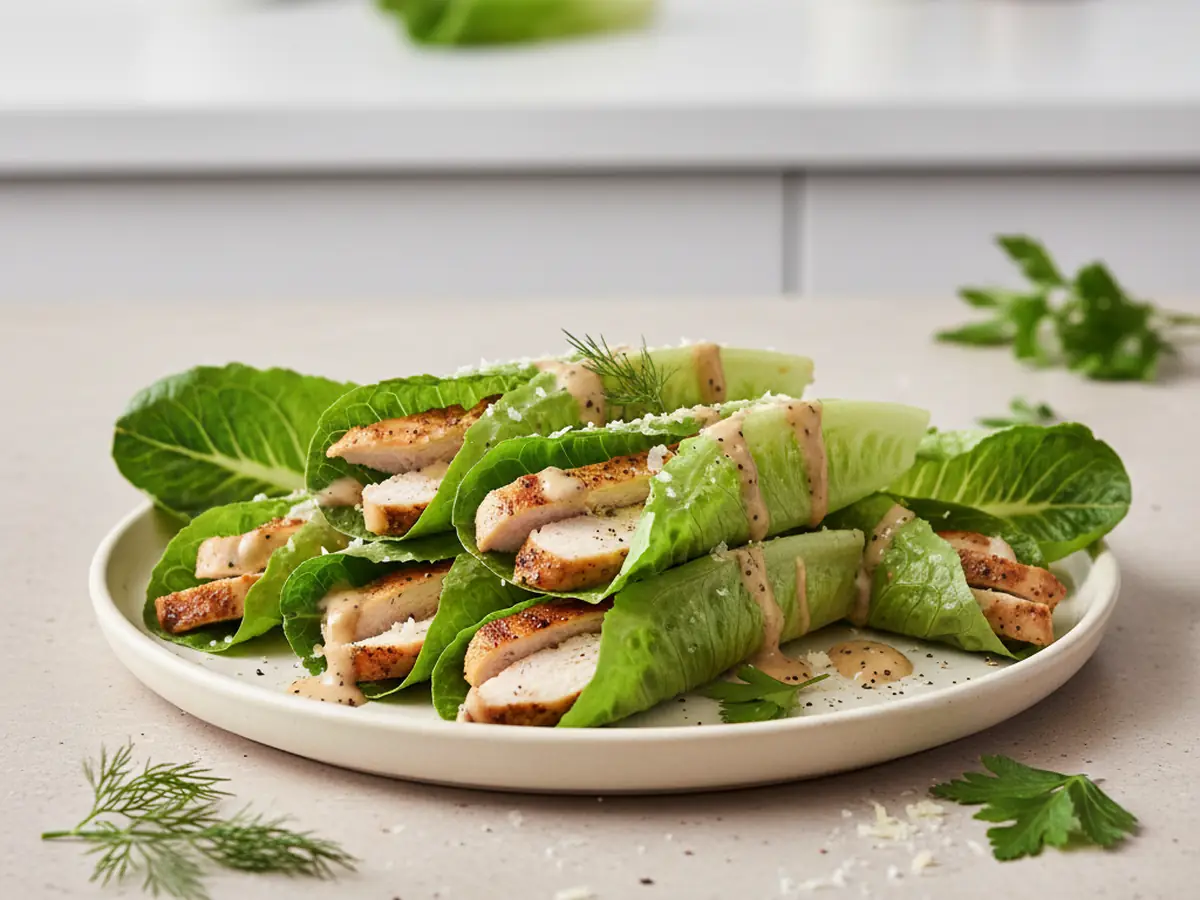
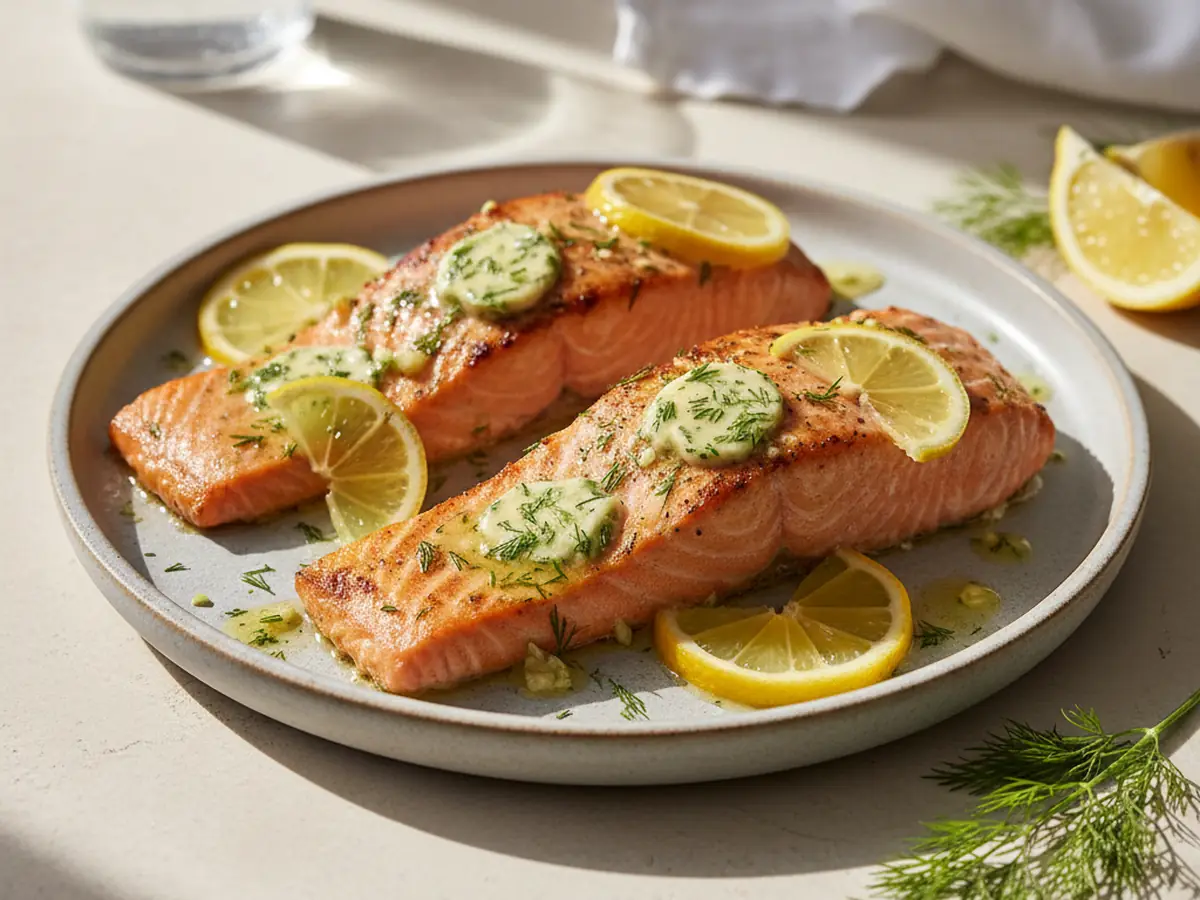
- Pick 5 or 6 recipes. Simple ones are best, such as Spinach Feta Egg Muffins, Chicken Caesar Lettuce Wraps, and Baked Salmon with Dill Butter.
Days 1 to 3
- Track what you eat, at least for a few days, so you learn where carbs hide.
- Drink plenty of water and do not skip salt. You may lose water weight and minerals quickly at first.
- Keep meals simple. A protein, a non-starchy vegetable, and a source of fat is enough.
Days 4 to 7
- Many people feel tired, foggy, or headachy in the first week. This is often called the "keto flu." Hydration, salt, and enough food usually help. See Keto Flu, Electrolytes and Side Effects. If you feel unwell, do not push through. Talk to a clinician.
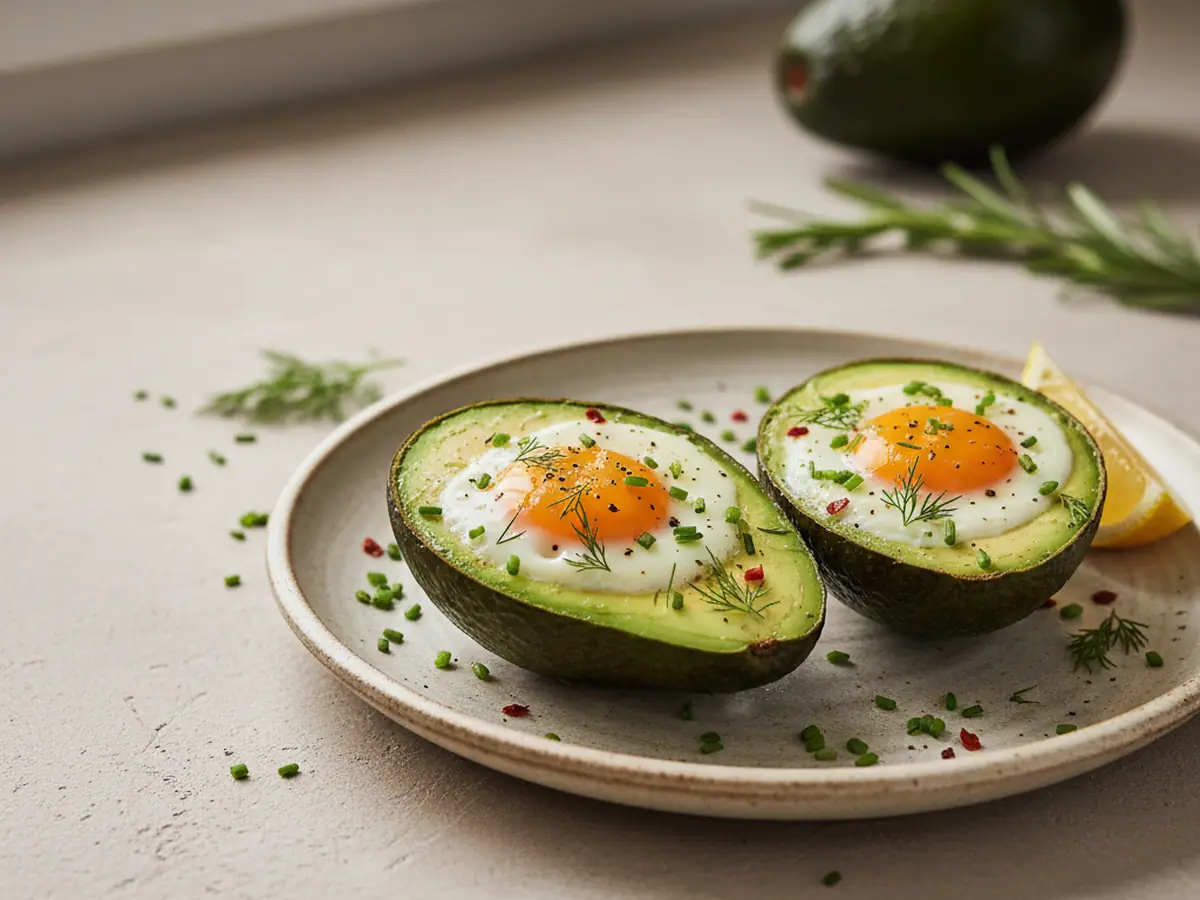
- Try a new recipe or two, such as Avocado Baked Eggs or Garlic Butter Steak Bites.
- Plan your next week. A meal plan makes it far easier to keep going.
A sample day
| Meal | Idea |
|---|---|
| Breakfast | Spinach Feta Egg Muffins with coffee |
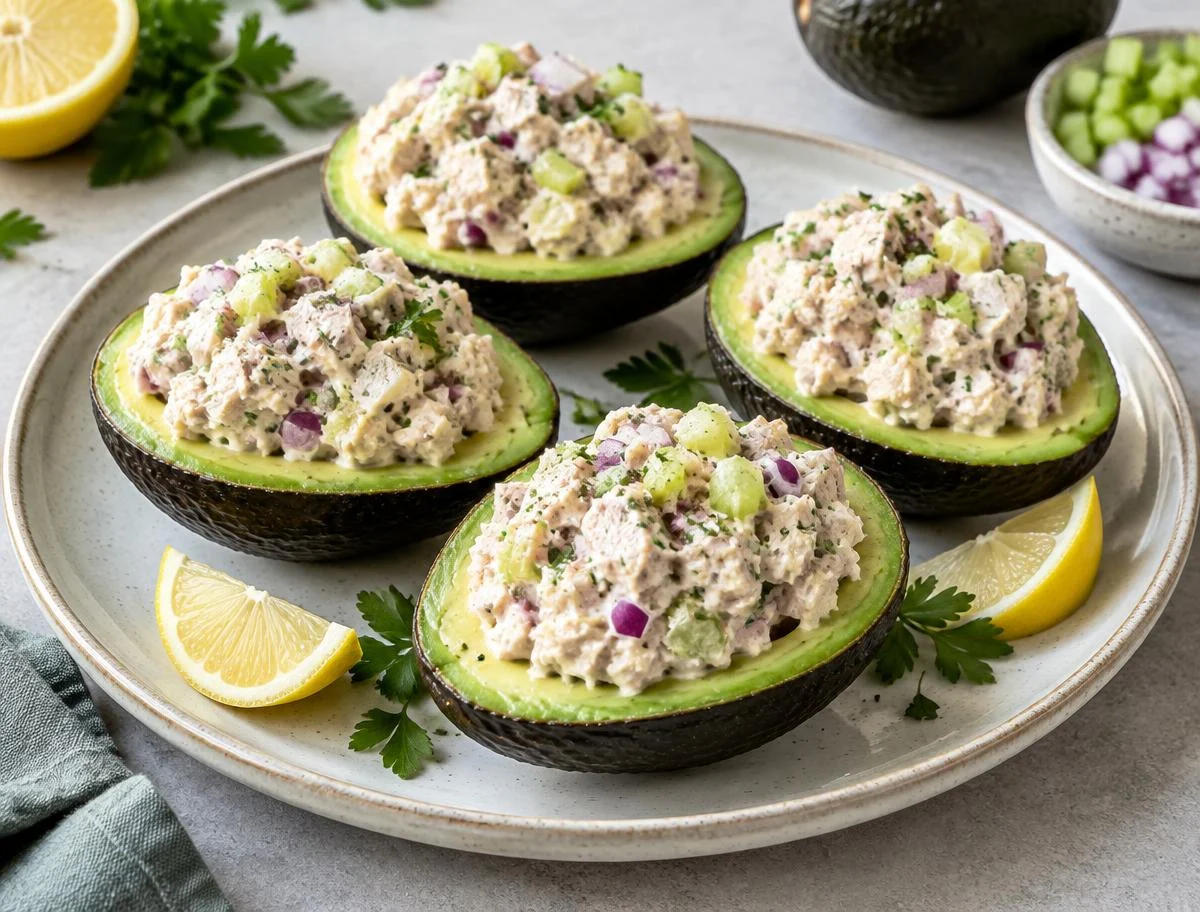
| Lunch | Tuna Avocado Salad Boats |
| Dinner | Baked Salmon with Dill Butter with Creamy Garlic Mashed Cauliflower |
| Dessert | Chocolate Avocado Mousse |
Check the nutrition panel on each recipe page for the net carbs, and add them up to match your target.
Common beginner mistakes
- Not reading labels. Sauces, dressings, and "low-carb" snacks often contain sugar or starch.
- Eating too few calories. Cutting carbs and fat at the same time leaves you hungry and tired.
- Forgetting electrolytes. Sodium, potassium, and magnesium can drop when you cut carbs. Food and fluids matter.
- Eating too much protein. Protein is important, but huge portions are not necessary.
- Relying on packaged keto products. They can be expensive and do not always help you reach your goals. Whole foods come first.
- Chasing perfection. A single high-carb meal does not end your progress. Return to your plan at the next meal.
- Skipping vegetables. Non-starchy vegetables provide fiber, nutrients, and variety.
- Ignoring how you feel. If you feel unwell for more than a few days, talk to a doctor.
Is keto right for you?
Keto works well for some people and not for others. Think about:
- Can you keep it up? The best diet is one you can follow.
- Do you have health conditions? See the section on who should talk to a doctor.
- Do you enjoy the foods? If you miss bread and fruit constantly, a gentle low-carb plan may suit you better.
When you are ready for a personalized plan, try My Plan. It asks a few questions about your goals and health, then suggests a daily target and a week of recipes.
Where to go next
- Keto Food List: a printable list of what to eat and avoid.
- Net Carbs and Macros Explained: how to read labels and choose a target.
- Keto Meal Plan and Meal Prep: put a week together.
- Keto macro calculator: get your daily numbers.
- Mediterranean Keto: olive oil, fish, feta, and fresh herbs.
- Moroccan Keto: tagines, kefta, chermoula, and warm spices without the starch.
- Keto Sweeteners and Baking: desserts that fit your carb budget.
- All keto recipes: filter by meal, time, and net carbs.
Sources and further reading
- U.S. Department of Agriculture, FoodData Central (nutrition data): https://fdc.nal.usda.gov
- National Institute of Diabetes and Digestive and Kidney Diseases (NIDDK) for general nutrition and diabetes information: https://www.niddk.nih.gov
- Academy of Nutrition and Dietetics, "Find a Nutrition Expert": https://www.eatright.org/find-a-nutrition-expert
This guide is for educational purposes only and does not replace professional medical advice.
Frequently asked questions
Related guides
Related recipes

Spinach Feta Egg Muffins
Make-ahead egg muffins with spinach, feta, and scallions, a protein-rich low-carb breakfast.
Avocado Baked Eggs
Eggs baked right inside ripe avocado halves, a two-ingredient breakfast with a creamy center.
Chicken Caesar Lettuce Wraps
Seared chicken in a homemade Caesar-style dressing, rolled in crisp romaine leaves.
Tuna Avocado Salad Boats
Creamy tuna salad spooned into halved avocados, a quick lunch with no cooking.
Baked Salmon with Dill Butter
Oven-baked salmon fillets topped with garlicky dill butter and lemon.
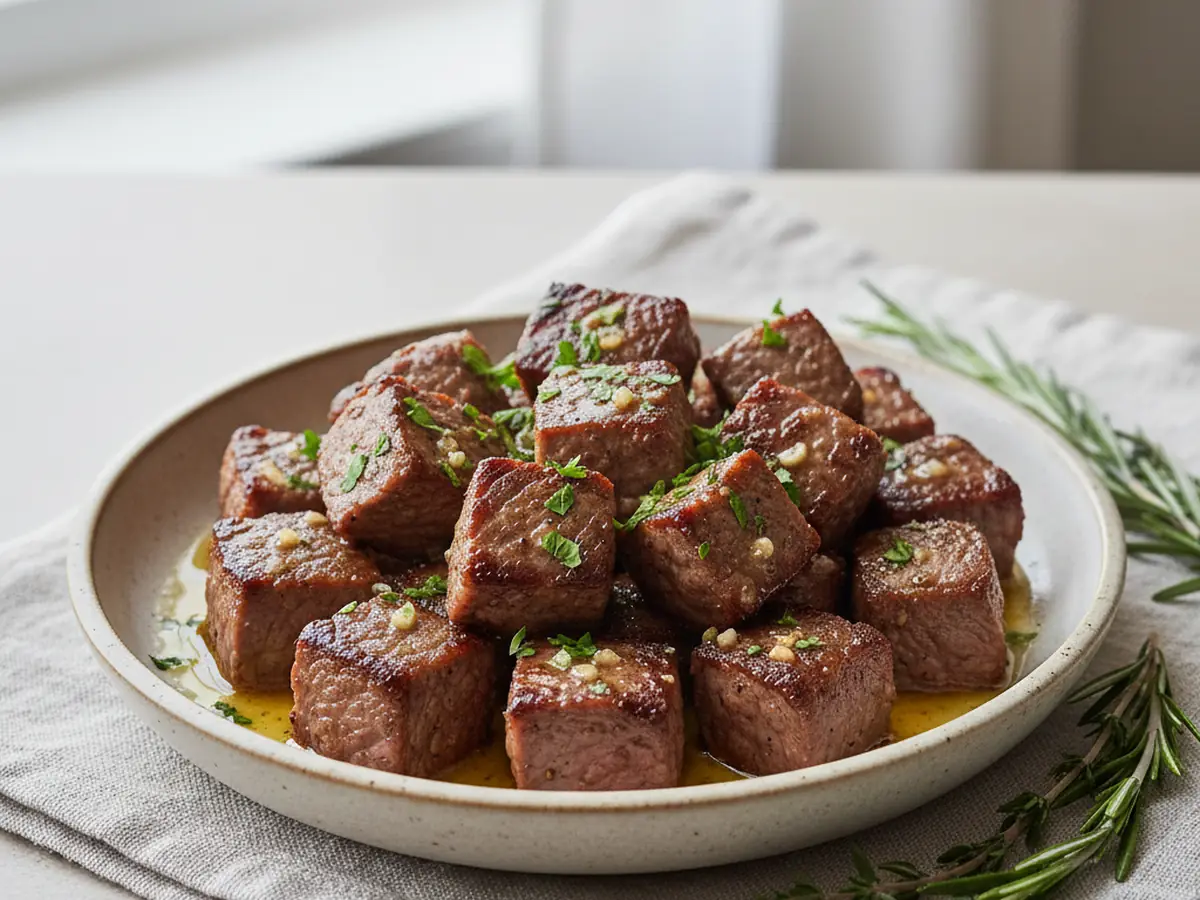
Garlic Butter Steak Bites
Seared sirloin cubes tossed in garlic butter and fresh parsley, a fast skillet dinner.
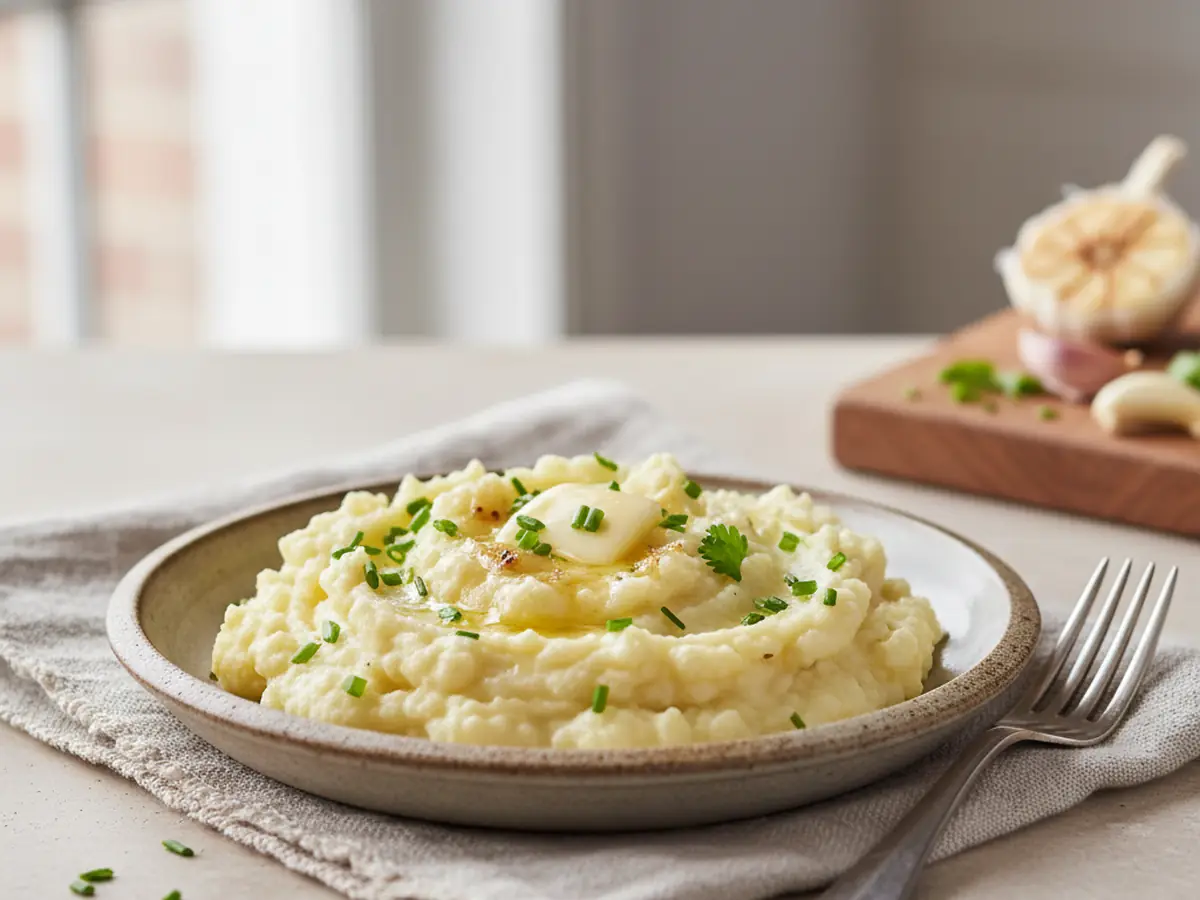
Creamy Garlic Mashed Cauliflower
A smooth, buttery stand-in for mashed potatoes with roasted garlic flavor.
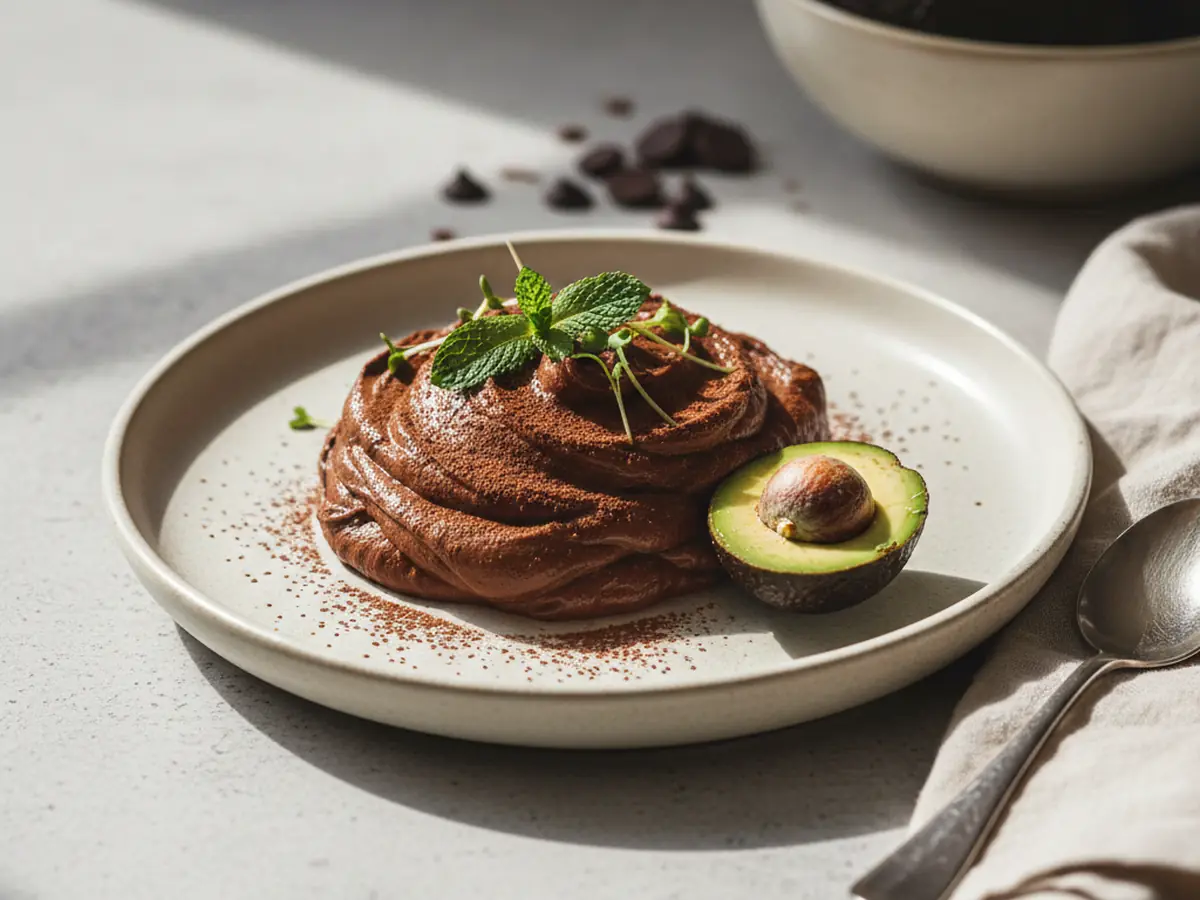
Chocolate Avocado Mousse
Silky dairy-free chocolate mousse made with ripe avocado and unsweetened cocoa.
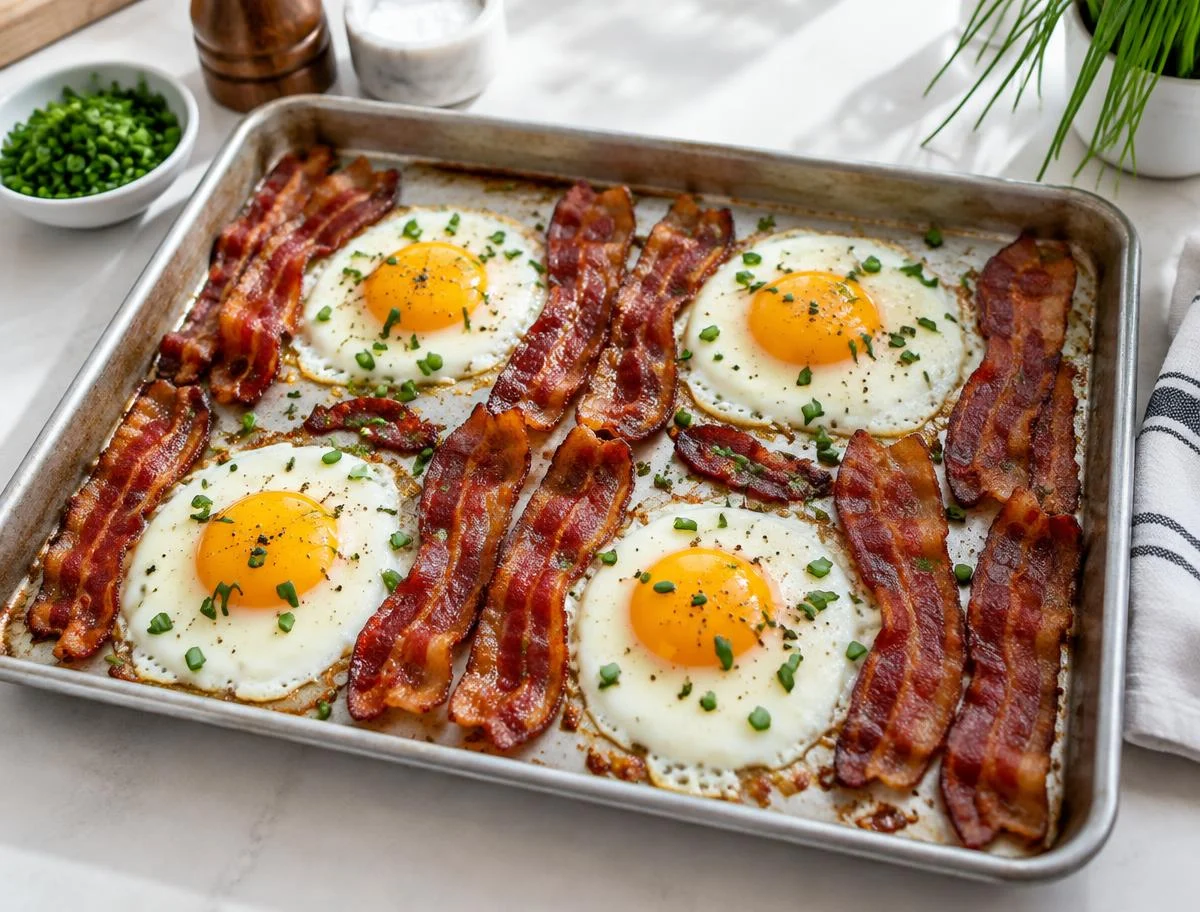
Sheet Pan Bacon and Eggs
Bacon and eggs baked together on one pan for an easy, hands-off breakfast.
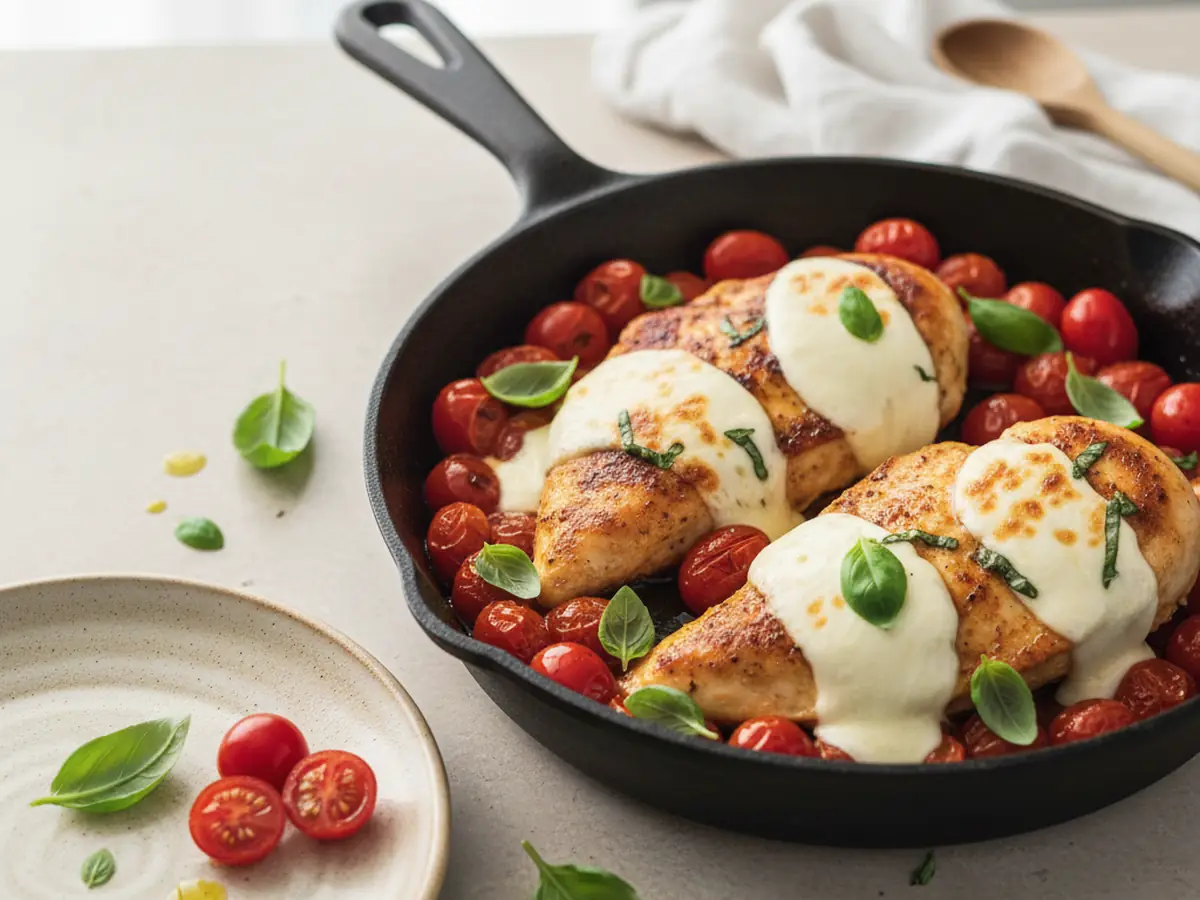
Caprese Chicken Skillet
Seared chicken breasts topped with tomatoes, melted mozzarella, and fresh basil.
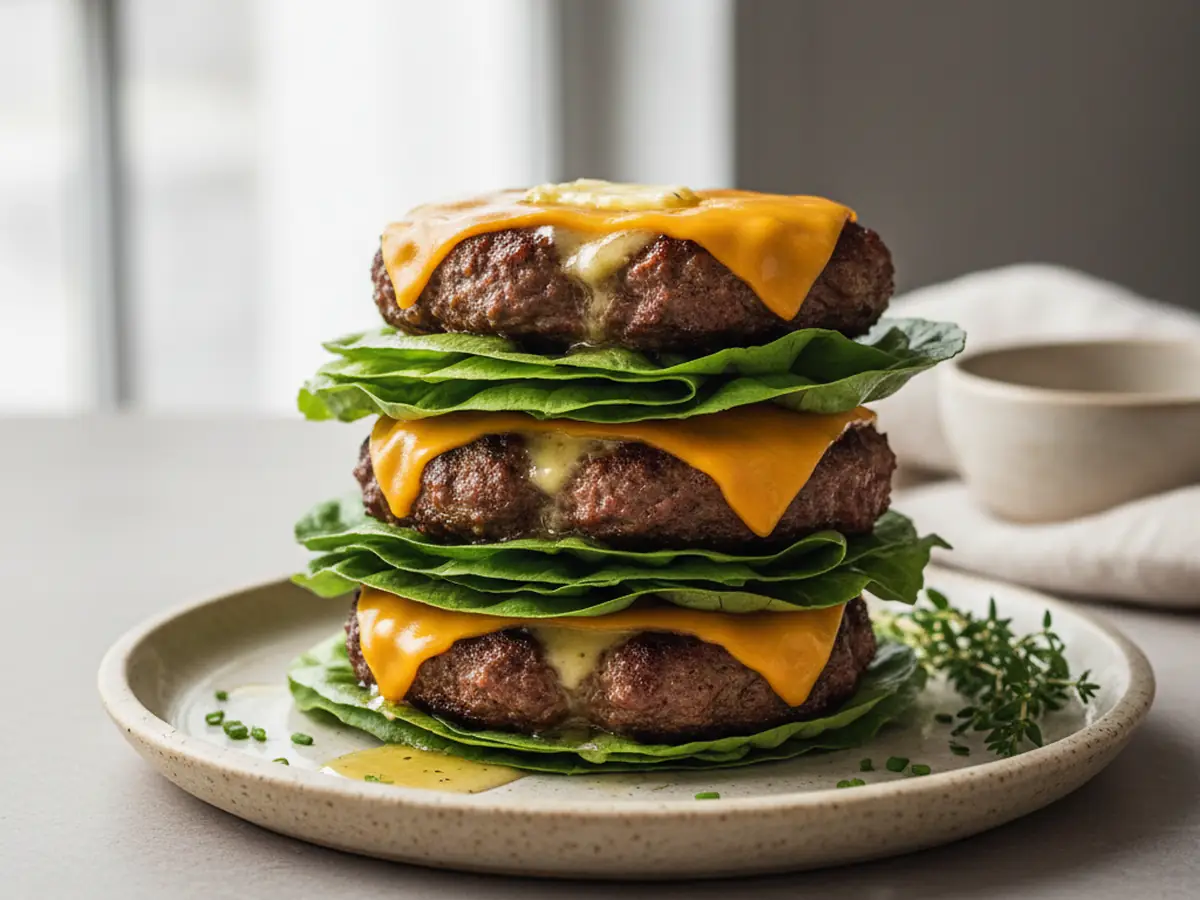
Bunless Butter Burgers
Juicy beef patties with butter melted in, topped with cheddar and wrapped in crisp lettuce.
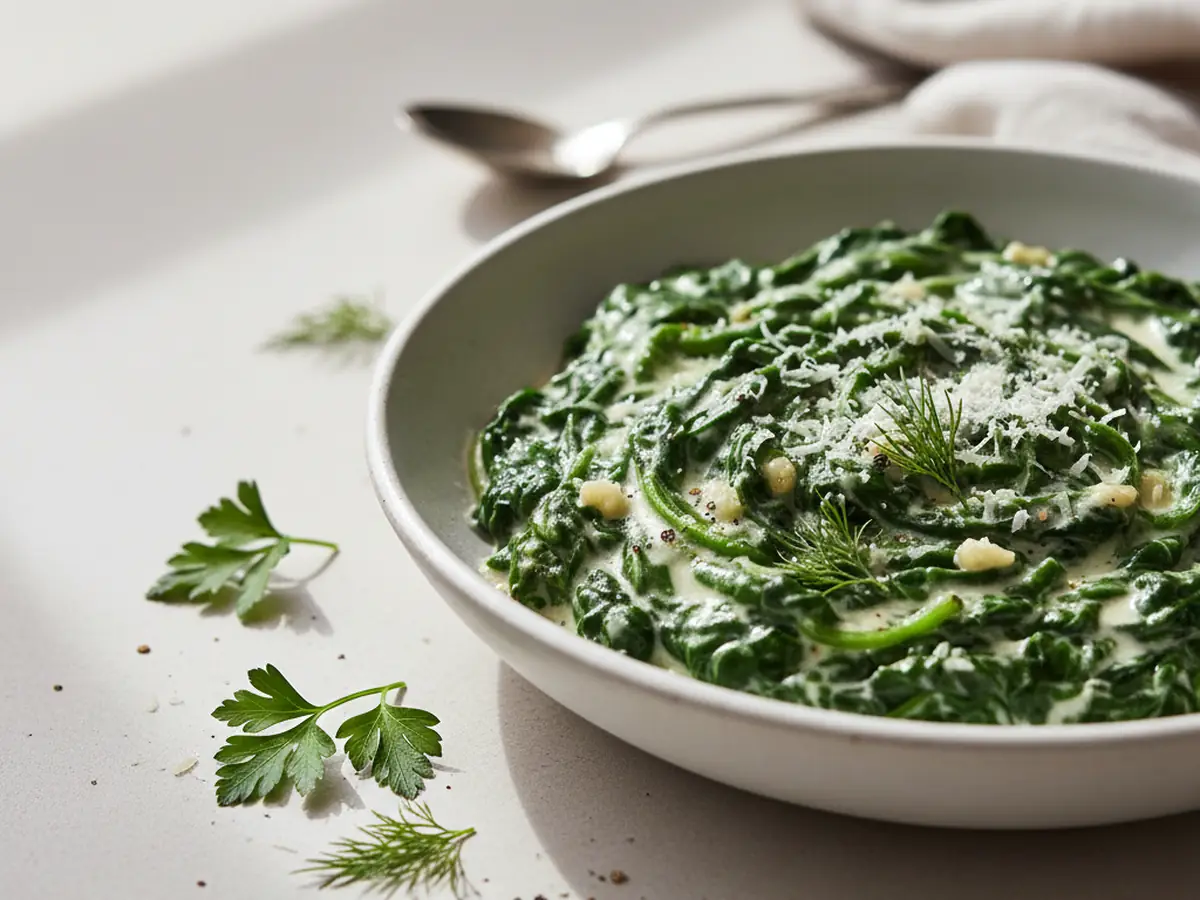
Creamy Garlic Creamed Spinach
Classic steakhouse-style spinach in a garlicky cream cheese and Parmesan sauce.