
Net Carbs and Macros Explained
Editorial team · 7 min read
Net Carbs and Macros Explained
If you follow a keto diet, you will hear two phrases all the time: net carbs and macros. They sound technical, but the math is simple. This guide explains what they mean, how to calculate them, how to read a U.S. nutrition label, and how to set daily targets that make sense for you.
This is general education, not medical advice. Individual needs differ, so talk to a doctor or registered dietitian before making big changes to how you eat.
What net carbs are
Carbohydrates include sugar, starch, and fiber. Your body digests sugar and starch into glucose, which raises blood sugar. Fiber is different: it is a carbohydrate your body cannot fully digest, so it has a much smaller effect on blood sugar.
Net carbs are the carbohydrates that are likely to affect your blood sugar. Most keto plans count net carbs instead of total carbs, because a large portion of the carbs in many vegetables is fiber.
Net carbs = total carbs − fiber − sugar alcohols
The formula has a few caveats, which we explain below.
How to calculate net carbs
Look at the Nutrition Facts panel and find three lines:
- Total Carbohydrate
- Dietary Fiber
- Sugar Alcohols (not every label lists this)
Example 1: a whole food
A medium avocado, roughly 150 grams, contains approximately:
- Total carbs: 12.8 g
- Fiber: 10.1 g
- Net carbs: 12.8 − 10.1 = 2.7 g
Values are approximate. Check the label or a database such as USDA FoodData Central for exact amounts.
Example 2: a packaged snack
A keto bar lists:
- Total carbs: 14 g
- Fiber: 6 g
- Erythritol: 5 g
- Net carbs: 14 − 6 − 5 = 3 g
Example 3: when the label does not list sugar alcohols
If the label has no sugar alcohol line but the ingredients include maltitol, sorbitol, or xylitol, the carbs from those ingredients are in the total. Be careful: they may affect you more than erythritol. When in doubt, count them.
Why "net carbs" is not a regulated term
In the United States, the term "net carbs" is not defined by the FDA. Each brand uses its own method, and some subtract ingredients that still affect blood sugar. The safest habit is to read the three numbers yourself and do the subtraction.
Fiber and sugar alcohols
Fiber
Subtracting fiber is standard on keto. It matters most with vegetables, nuts, seeds, and berries, which can be high in total carbs but low in net carbs. Vegetables such as spinach, cucumber, zucchini, and cauliflower stay low even before you subtract fiber.
Sugar alcohols
Sugar alcohols are sweeteners such as erythritol, xylitol, sorbitol, and maltitol. They are partly absorbed, so the effect on blood sugar differs:
| Sweetener | Typical treatment |
|---|---|
| Erythritol | Usually subtracted in full |
| Allulose | Usually subtracted in full (listed under added sugars on some labels) |
| Xylitol | Often partly subtracted. Toxic to dogs |
| Sorbitol | Often partly subtracted |
| Maltitol | Can raise blood sugar significantly. Often limited or avoided |
All sugar alcohols can cause gas or loose stools in large amounts. Start small. For baking and sweeteners, see Keto Sweeteners and Baking.
On this site, our recipes subtract fiber and sugar alcohols from total carbohydrate. Recipes that use erythritol, such as the Almond Flour Chocolate Chip Cookies and Lemon Cheesecake Bites, show the net carbs after that subtraction. See How We Calculate for our full method.
Protein, fat, and carbs: how macros fit together
"Macros" is short for macronutrients: carbohydrates, protein, and fat. Each provides energy:
| Macro | Calories per gram |
|---|---|
| Carbohydrate | 4 |
| Protein | 4 |
| Fat | 9 |
A simple order for setting macros
- Carbs first. Choose a daily net carb target. See the next section.
- Protein second. A common range is about 1.2 to 2.0 grams per kilogram of body weight, with 1.6 as a typical middle. People who are older, very active, or trying to preserve muscle often aim higher in the range.
- Fat last. After carbs and protein, fat fills the remaining calories. Eat more if you are hungry and want to maintain or gain weight, and less if you are aiming for gradual weight loss.
A worked example
Suppose a person weighs 80 kg (176 lb) and needs about 2,000 calories per day, aiming for 30 g net carbs and 1.6 g protein per kg.
- Carbs: 30 g × 4 = 120 calories
- Protein: 80 × 1.6 = 128 g × 4 = 512 calories
- Fat: (2,000 − 120 − 512) ÷ 9 ≈ 152 g
That is roughly 6% carbs, 26% protein, and 68% fat. Your own numbers will differ. This is only an illustration, not a prescription.
Do I need to track everything?
Not necessarily. Some people track for a few weeks to learn portion sizes, then eat by habit. Others prefer to track long-term. Pick the method you will actually stick to.
Choosing your carb level
We use three levels. All are net carbs per day.
| Level | Net carbs | Notes |
|---|---|---|
| Gentle Low-Carb | 50 to 100 g | Flexible. Ketosis is not the goal. |
| Moderate Keto | 20 to 50 g | The most common starting point. |
| Strict Keto | Under 20 g | Very low. Discuss with a doctor first. |
Things that may influence your choice:
- Your goal. Some people want ketosis, others simply want to eat fewer refined carbs.
- Activity. Very active people sometimes tolerate more carbs.
- How you feel. If you feel unwell on a strict level, a higher level may be more comfortable and sustainable.
- Medical situation. Some conditions and medications make very low-carb eating inappropriate. See our beginner guide.
Reading nutrition labels
The U.S. Nutrition Facts label has what you need. Follow these steps:
- Check the serving size first. The numbers apply to one serving, which may be much smaller than what you eat.
- Find Total Carbohydrate. Note the grams.
- Subtract Dietary Fiber.
- Subtract sugar alcohols, if listed and if they are the type you subtract.
- Check Added Sugars. If it is more than 0 g, think about whether the food fits.
- Scan the ingredients for hidden starches and sugars, such as maltodextrin, dextrose, corn syrup, and honey.
Where carbs hide
Sauces and marinades, salad dressings, deli meats with added sugar, processed "keto" snacks, flavored coffee drinks, and canned soups can all contain more carbs than you expect.
A note on rounding
Labels round to the nearest gram, so small amounts add up. A "0 g" seasoning used generously can still contribute a gram or two.
How our calculator works
Our keto macro calculator gives you a starting point using the following steps. You can read the full details on How We Calculate.
- Body measurements. We use your height and weight to estimate body mass index (BMI).
- Resting energy. We estimate your resting calorie needs with the Mifflin-St Jeor equation, a widely used formula.
- Activity. We multiply by an activity factor to estimate your daily energy use.
- Goal and pace. If you choose weight loss, we apply a moderate calorie reduction and never go below a safety floor.
- Macros. We set net carbs from your chosen level, protein from your body weight, and fat from the remaining calories.
These are estimates. Individual needs vary, and calculators cannot replace advice from a health professional. If you have a medical condition, take medication, or are pregnant or breastfeeding, talk to a doctor before using any calculator-based plan.
Putting it into practice
A few easy ways to keep net carbs under control:
- Build meals around protein and non-starchy vegetables. Try the Greek Salad Bowl with Grilled Chicken or the Loaded Cobb Salad.
- Choose recipes that show net carbs. Every recipe page lists net carbs per serving.
- Watch the "extras." Sauces, dressings, and drinks can add up.
- Keep a few go-to meals. Familiar recipes make tracking easy.
Where to go next
- Keto Diet for Beginners: the full starter guide.
- Keto Food List: what to eat and what to avoid.
- Keto macro calculator: get your daily targets.
- Keto recipes under 5 g net carbs: easy ways to stay on target.
- Mediterranean Keto and Moroccan Keto: two flavor-rich ways to cook low-carb.
Sources and further reading
- U.S. Department of Agriculture, FoodData Central: https://fdc.nal.usda.gov
- U.S. Food and Drug Administration, "How to Understand and Use the Nutrition Facts Label": https://www.fda.gov
- Mifflin MD, et al. "A new predictive equation for resting energy expenditure in healthy individuals." American Journal of Clinical Nutrition, 1990.
This guide is for educational purposes only and does not replace professional medical advice.
Frequently asked questions
Related guides
Related recipes

Cream Cheese Almond Flour Pancakes
Fluffy, tender pancakes made with cream cheese and almond flour, a low-carb weekend breakfast.

Almond Flour Chocolate Chip Cookies
Soft, chewy chocolate chip cookies made with almond flour, butter, and sugar-free chocolate chips.

Lemon Cheesecake Bites
Bite-sized no-bake lemon cheesecake rounds rolled in almond flour, made for the freezer.

Chocolate Avocado Mousse
Silky dairy-free chocolate mousse made with ripe avocado and unsweetened cocoa.
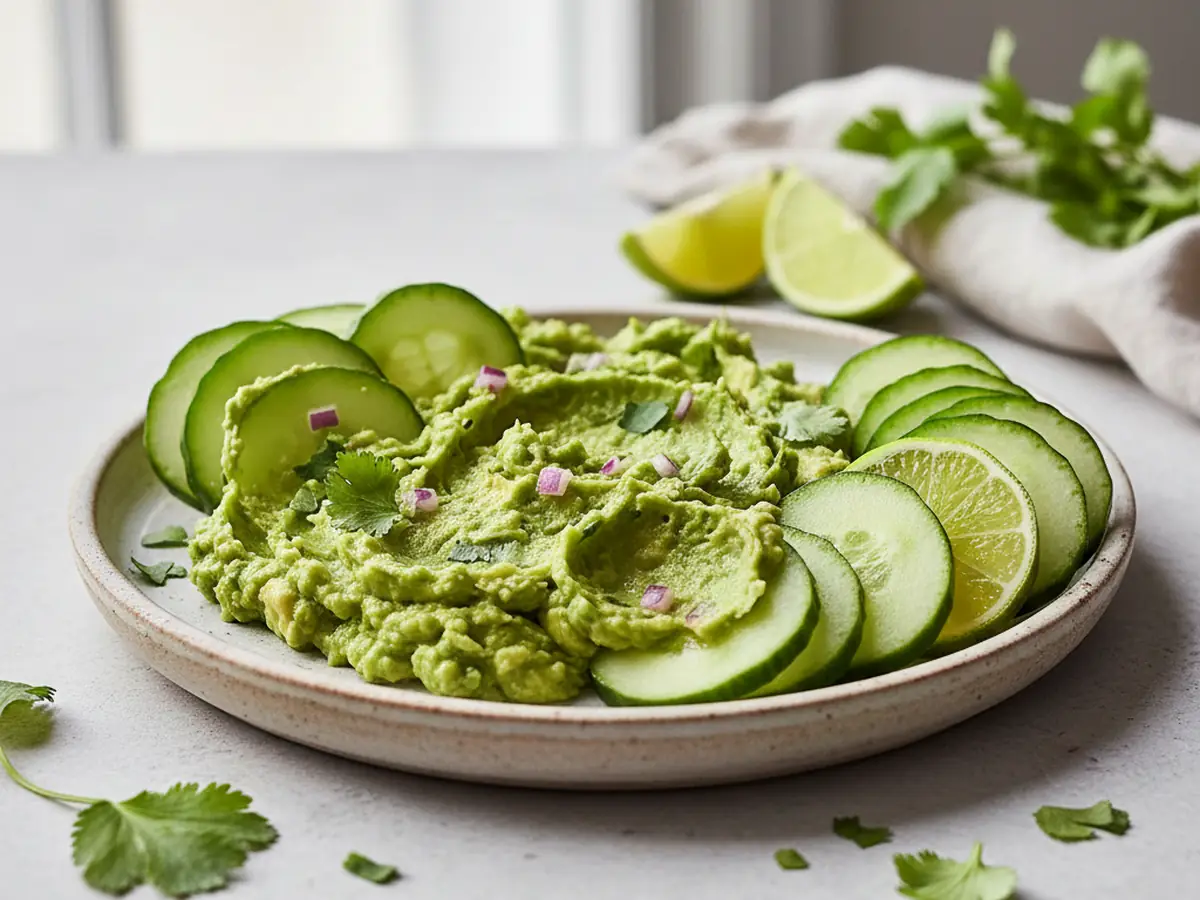
Guacamole with Cucumber Rounds
Chunky guacamole with lime, red onion, and cilantro, scooped with thick cucumber rounds instead of chips.
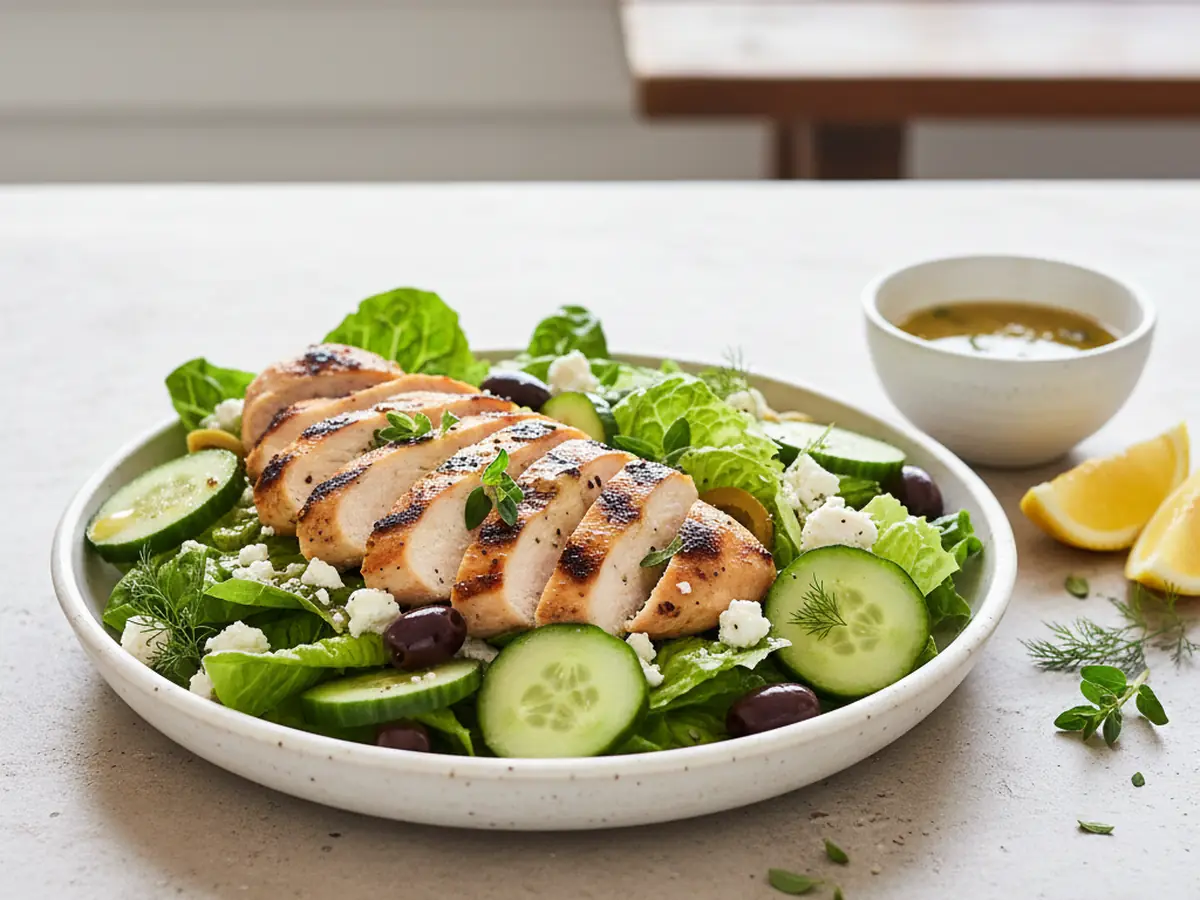
Greek Salad Bowl with Grilled Chicken
Grilled chicken over crisp romaine with cucumber, olives, feta, and a lemony oregano dressing.
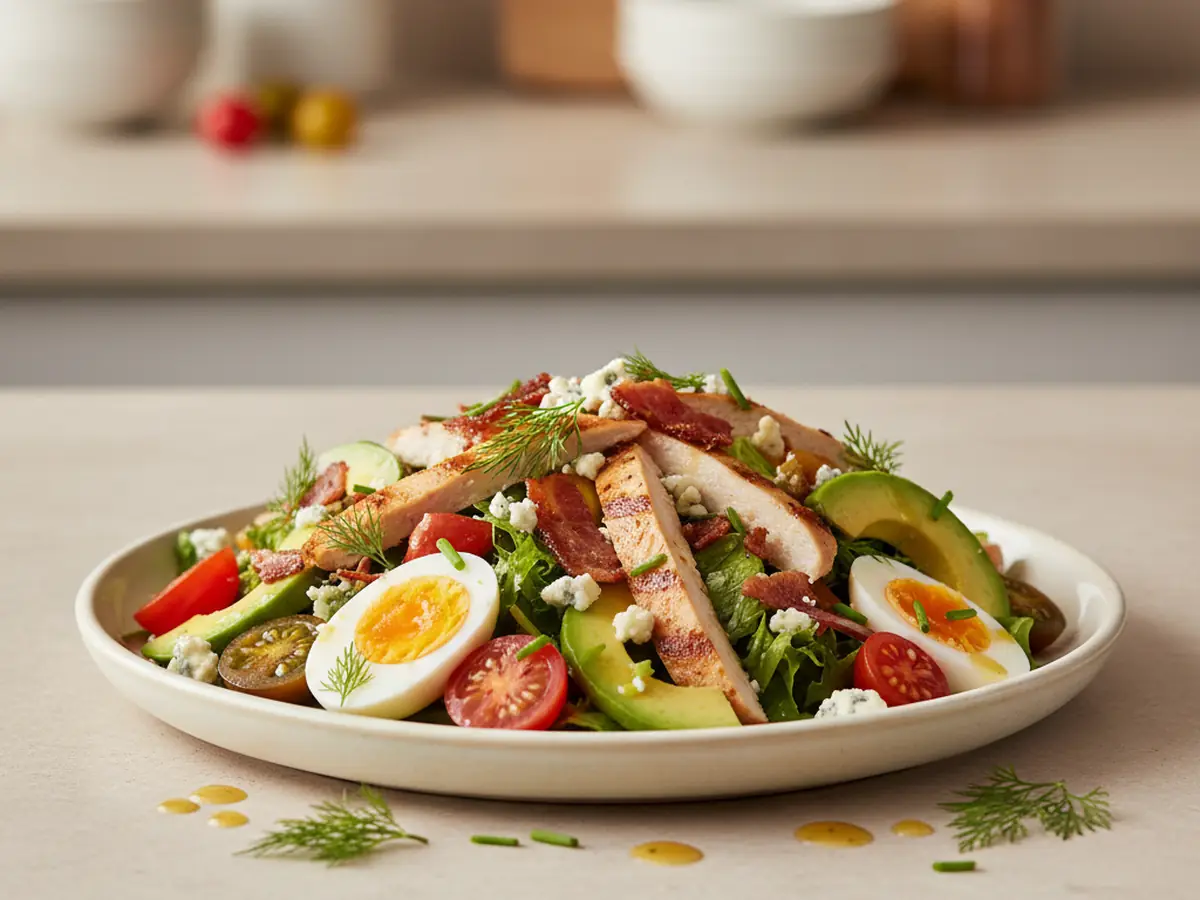
Loaded Cobb Salad
A big main-course salad with chicken, bacon, egg, avocado, tomato, and blue cheese in a simple vinaigrette.

Creamy Broccoli Cheddar Soup
A thick, cheesy broccoli soup made without flour, with real cheddar and heavy cream.
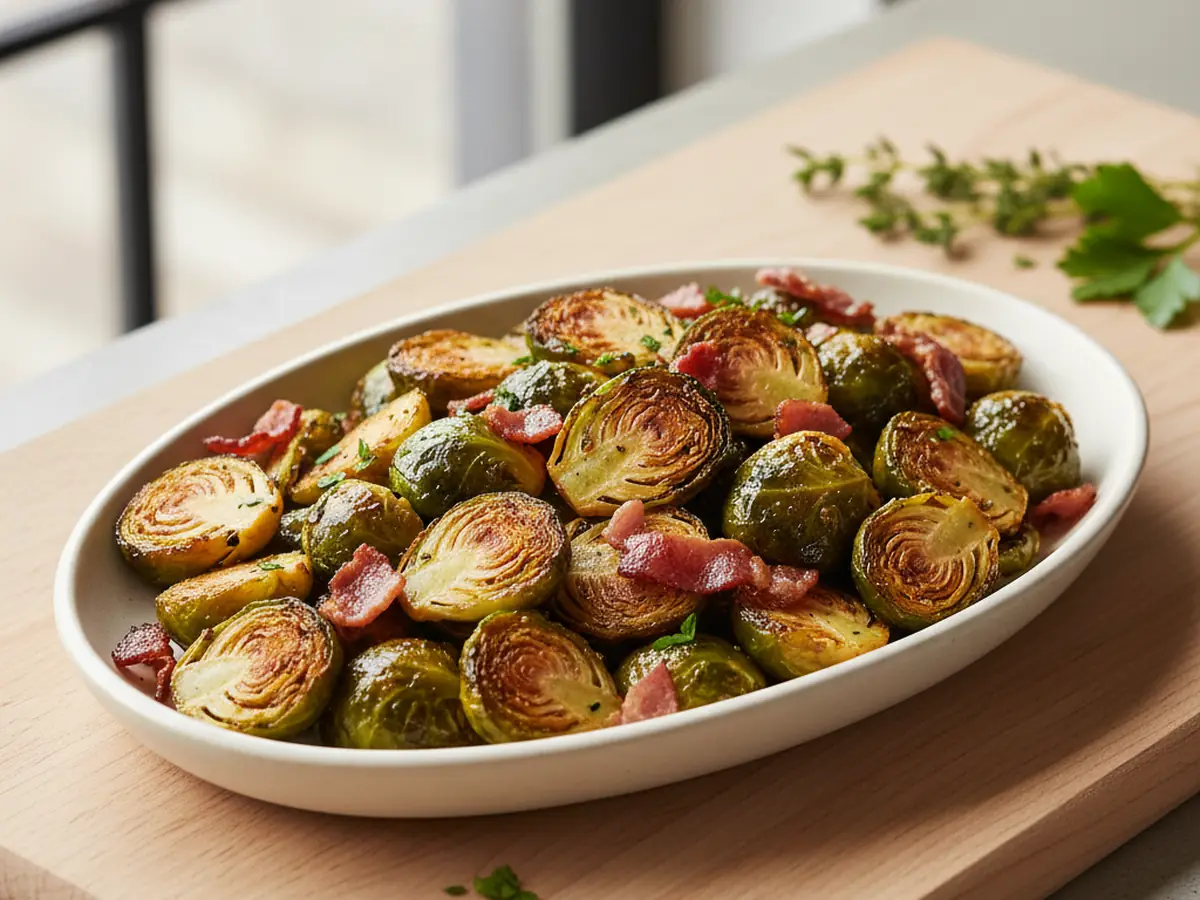
Crispy Bacon Brussels Sprouts
Halved Brussels sprouts roasted with bacon until the edges caramelize and crisp.
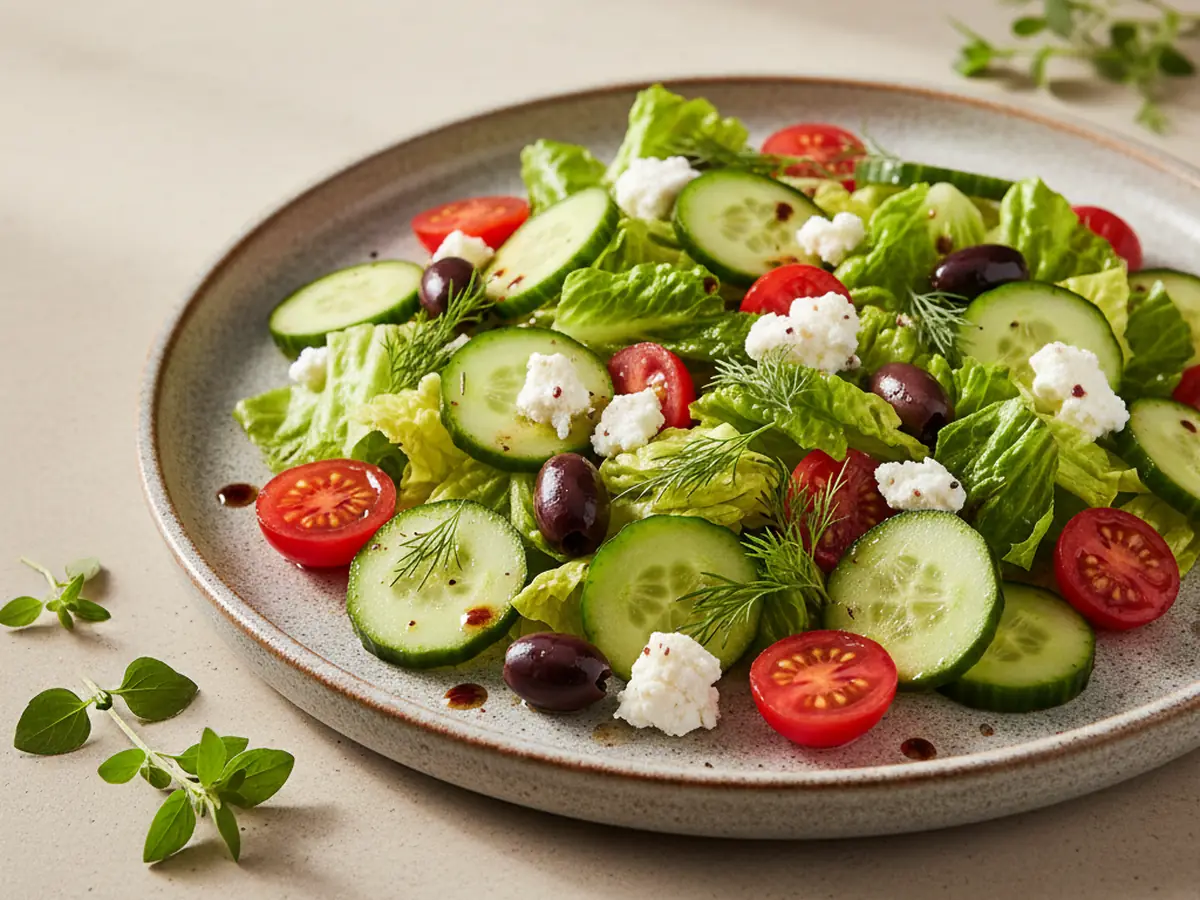
Mediterranean Chopped Salad
Crisp romaine, cucumber, tomato, olives, and feta in a red wine vinegar and olive oil dressing.

Moroccan Kefta and Eggs Tagine
Spiced beef kefta meatballs simmered in tomato sauce with eggs poached right in the pan.

Chocolate Almond Butter Fat Bombs
Rich chocolate and almond butter bites set in the freezer, one small piece at a time.