Keto Flu, Electrolytes and Side Effects
Editorial team · 7 min read
Starting keto can feel rough for some people. A headache on day three, a tired afternoon, a short temper, or a strange feeling in your legs can make you wonder if the diet is working against you. Often these are temporary and manageable, but sometimes they are signs you should pay attention to.
This guide explains what people call the keto flu, the other common side effects, the role of sodium, potassium, and magnesium, what usually helps, and when to see a doctor.
This is general education, not medical advice. If you have a medical condition, take medication, are pregnant or breastfeeding, or are under 18, talk to a doctor or registered dietitian before you change your diet or use supplements.
What the keto flu is
The "keto flu" is a nickname, not a medical diagnosis. It describes symptoms that some people notice during the first days or weeks after sharply cutting carbs. You do not have a virus.
Why it happens is not fully understood, but common explanations include:
- Fluid and sodium loss. When you eat fewer carbs, your body holds less water and your kidneys let go of more sodium. This can leave you feeling dehydrated or lightheaded.
- Adjusting to a new fuel. Your body is switching toward using more fat and ketones, and it can take time to adapt.
- Cutting out foods you were used to. Caffeine changes, sugar withdrawal, or eating less overall can also play a role.
Common symptoms
- Headache
- Tiredness or low energy
- Brain fog
- Irritability
- Dizziness when standing up
- Nausea
- Muscle cramps
- Trouble sleeping
- Sugar cravings
Not everyone gets these, and many people feel fine. For others, they pass within a few days to a couple of weeks.
Common side effects
Beyond the first few days, other changes can show up.
| Side effect | Why it may happen | What often helps |
|---|---|---|
| Constipation | Less fiber and fluid, change in diet | More non-starchy vegetables, water, enough fat, gentle movement |
| Diarrhea | A large increase in fat, sugar alcohols, or MCT oil | Increase fat gradually, limit sweeteners |
| Bad breath | Ketones leaving in breath | Water, brushing, sugar-free mints, time |
| Leg cramps | Low sodium, potassium, or magnesium, or dehydration | Fluids, mineral-rich foods |
| Heart palpitations | Dehydration or low electrolytes | Fluids and food-based minerals; see a doctor if it persists |
| Hair shedding | Rapid weight change, low calories, or low protein | Enough calories and protein, patience |
| Lower exercise performance | Adaptation period | Reduce intensity for a few weeks |
| Changes in cholesterol | Varies by person | Ask your doctor for blood tests |
A note on cholesterol: some people's LDL cholesterol rises on keto, some people's falls, and many see little change. If you have high cholesterol, heart disease, or a family history, talk to your doctor and have blood work done before and after you start.
Keto and constipation
If you are constipated, try these steps:
- Eat more non-starchy vegetables, such as spinach, broccoli, and zucchini.
- Drink more water throughout the day.
- Add fiber-friendly foods such as chia seeds and flaxseed. Coconut Chia Pudding with Raspberries is a simple way to do that.
- Make sure you eat enough overall. Under-eating slows digestion.
- Walk after meals.
If constipation is severe, painful, or lasts more than a few days, speak with a doctor.
Electrolytes: sodium, potassium, magnesium
Electrolytes are minerals that help nerves, muscles, and fluid balance work properly. Three matter most on keto.
Sodium
Lower carbs mean your kidneys release more sodium and water, so many people on keto need to pay attention to salt. Salting food to taste is a reasonable start for many healthy people. Broth and soups help with both fluid and sodium.
Caution: more salt is not better for everyone. If you have high blood pressure, heart failure, kidney disease, or take medication such as diuretics, ask your doctor how much sodium is right for you before increasing it.
Our recipes list sodium per serving so you can see where you stand. Soups are often the saltiest. For example, Chicken Zoodle Soup has roughly 1,200 mg of sodium per serving, and Egg Drop Soup about 1,040 mg. A lighter choice is Sparkling Lemon-Lime Water with Sea Salt, at about 300 mg.
Potassium
Potassium helps muscles and the heart. Many high-potassium foods, such as bananas, potatoes, and beans, are not keto-friendly, so it helps to know the low-carb sources:
- Avocado
- Leafy greens such as spinach
- Salmon and other fish
- Mushrooms
- Zucchini, broccoli, and Brussels sprouts
- Nuts and seeds, in small portions
Try Avocado Baked Eggs, Creamy Garlic Creamed Spinach, or Baked Salmon with Dill Butter.
Caution: potassium supplements and salt substitutes can be dangerous if you have kidney disease or take certain blood pressure medications. Do not take them without medical advice.
Magnesium
Magnesium supports muscles, nerves, and sleep. Food sources that fit keto include:
- Almonds, pumpkin seeds, and chia seeds
- Spinach and leafy greens
- Avocado
- Fish such as salmon and mackerel
- Dark chocolate with high cocoa content, in small amounts
Magnesium supplements can cause loose stools and can be unsafe with kidney disease. Ask your doctor or pharmacist about the form and dose that suits you.
A food-first approach
Many people can get what they need from food. These meals combine fluids, sodium, and minerals:
- Avgolemono-Style Lemon Chicken Soup, a warm option with chicken and lemon.
- Moroccan Chicken and Zucchini Soup.
- Mediterranean Chopped Salad with olives and vegetables.
- Creamy Broccoli Cheddar Soup and Loaded Cauliflower Soup for a hearty bowl.
Check the sodium listed on each recipe page and match it to the advice of your own doctor.
What helps
If you notice keto flu symptoms, these steps are generally low-risk:
- Drink enough fluid. Water, sparkling water, broth, and herbal tea all count. Moroccan-Style Fresh Mint Tea is a pleasant unsweetened option.
- Eat enough. Do not cut calories sharply at the same time as carbs. Include protein and fat at every meal.
- Salt your food to taste, unless your doctor has told you to limit sodium.
- Eat mineral-rich low-carb foods from the lists above.
- Ease in. Some people feel better if they reduce carbs in steps over a couple of weeks instead of all at once.
- Rest. Sleep well, and keep exercise gentle for the first week or two.
- Be patient. Symptoms commonly pass within days to a couple of weeks.
Avoid fixing symptoms by returning to sugary drinks and snacks, which can make the swings worse. If you take medication for diabetes or blood pressure, do not change your doses on your own. Your doctor may need to adjust them as your diet changes.
Warning signs: when to see a doctor
Most keto flu symptoms are mild and short-lived. Get medical help if you experience any of the following:
- Fainting or near-fainting
- Chest pain, a racing, pounding, or irregular heartbeat
- Severe or constant vomiting or diarrhea
- Severe abdominal pain, especially in the upper right side or after fatty meals
- Confusion, extreme drowsiness, or trouble breathing
- Symptoms that are getting worse after two weeks
- Very low blood sugar symptoms if you take diabetes medication: shaking, sweating, confusion
If you have type 1 diabetes, a rare but serious condition called ketoacidosis is a danger. Nausea, vomiting, stomach pain, fast breathing, and confusion need urgent care. Do not follow a keto diet with type 1 diabetes without close medical supervision.
Who should avoid keto
Keto is not for everyone. Do not start, or speak to a doctor first, if:
- You are pregnant or breastfeeding.
- You are under 18.
- You have type 1 diabetes, or type 2 diabetes treated with insulin or other glucose-lowering medication.
- You have kidney, liver, pancreas, or gallbladder disease.
- You have a history of an eating disorder.
- You take medication for blood pressure, heart conditions, or other chronic conditions that could need adjusting.
- You have a rare condition that affects how you handle fat or ketones. Your doctor can tell you if this applies.
Our tool My Keto Plan is built to avoid creating plans in higher-risk situations. It is not a substitute for medical advice.
Is keto safe long term?
Research on very long-term keto is limited, and results vary from person to person. If you plan to follow it for months or years, it is wise to have regular check-ups, including blood pressure, cholesterol, kidney function, and nutrient levels, and to keep including plenty of non-starchy vegetables. Many people choose a less strict approach after a while. See Keto Diet for Beginners for carb levels.
Next steps
- If you are starting keto, ease in and drink plenty of fluids.
- Add low-carb sources of potassium and magnesium through food.
- Check with your doctor about salt and supplements if you have a health condition or take medication.
- Stop and seek help if you have a warning sign.
- Read the keto food list to find more foods that suit you.
Frequently asked questions
Related guides
Related recipes

Sparkling Lemon-Lime Water with Sea Salt
Refreshing sparkling water with lemon, lime, mint, and a pinch of sea salt for people who like a savory, hydrating drink.
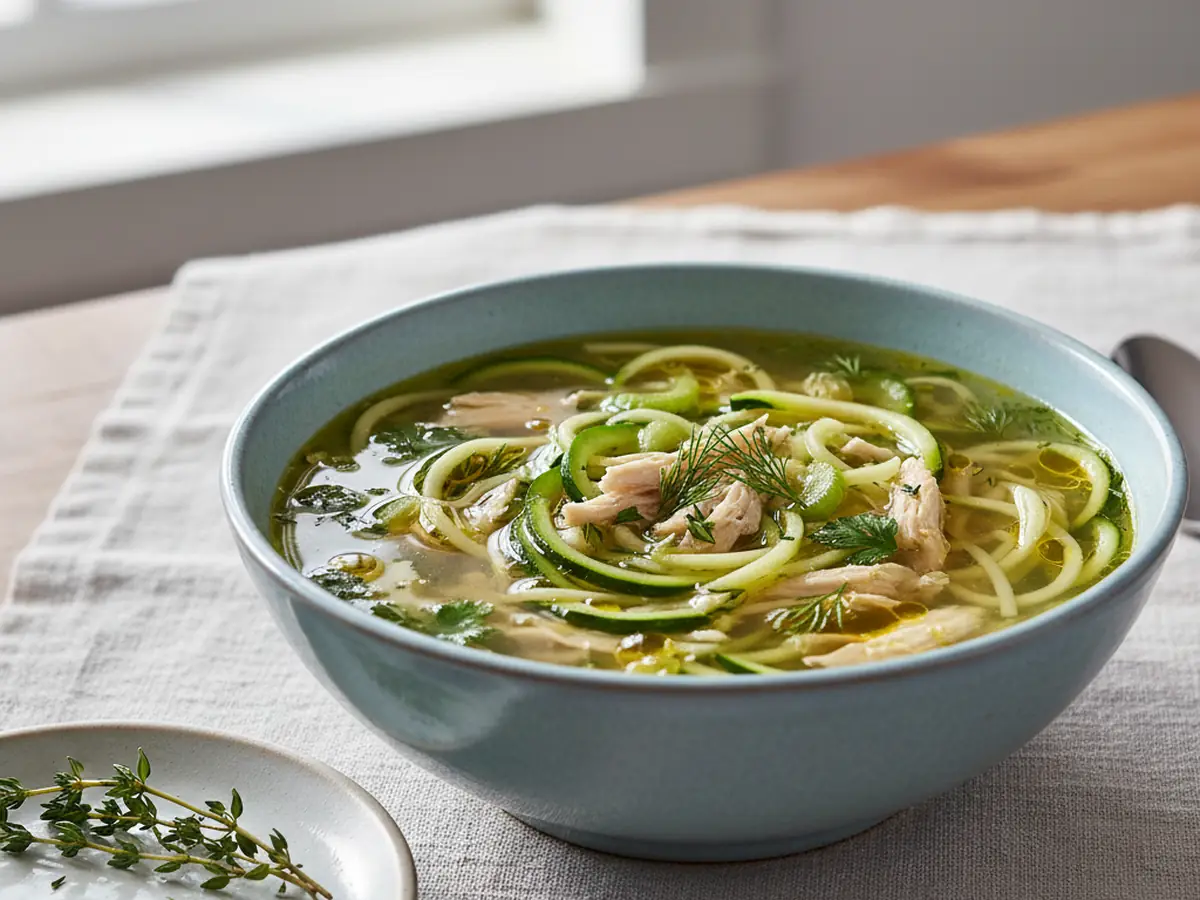
Chicken Zoodle Soup
A light chicken soup with celery, herbs, and zucchini noodles in place of pasta.
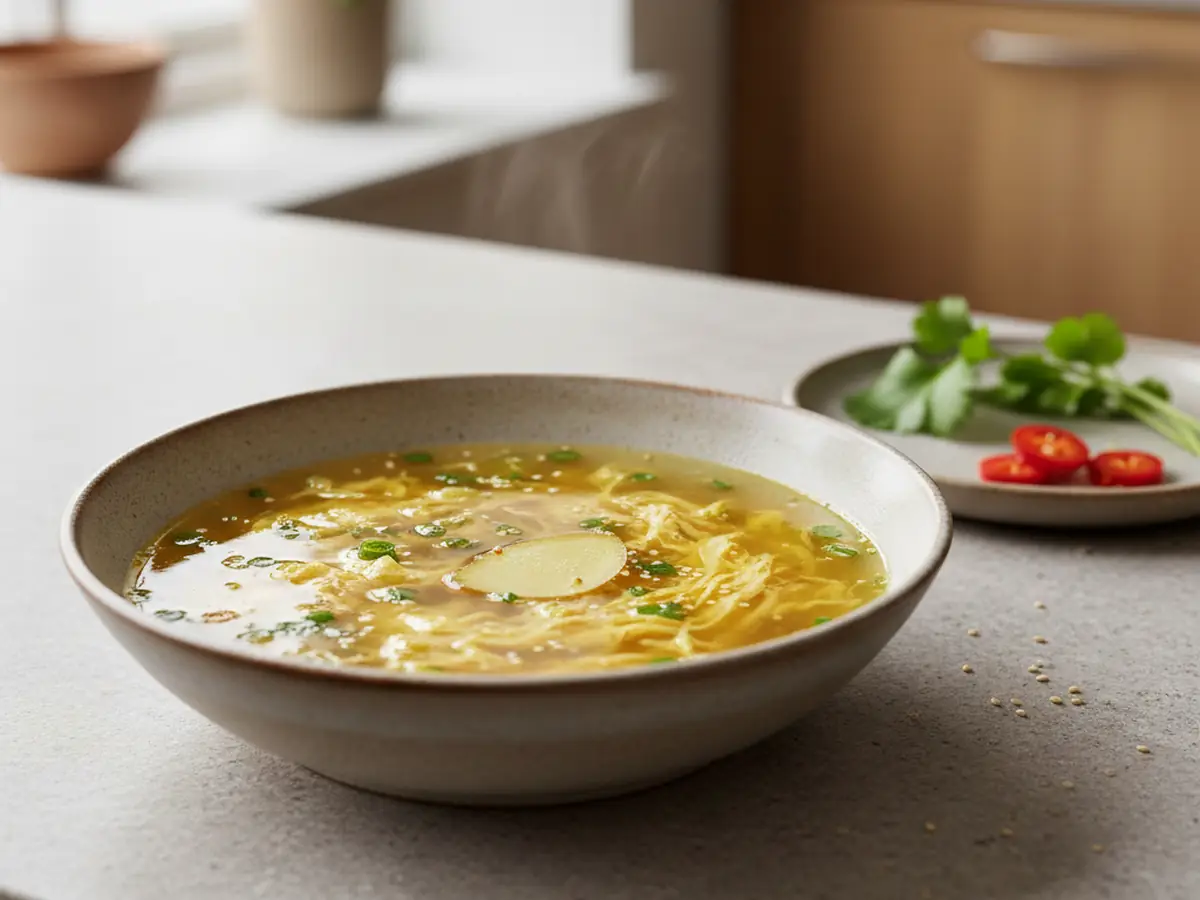
Egg Drop Soup
Silky ribbons of egg in a ginger-scented broth, a quick keto comfort soup.
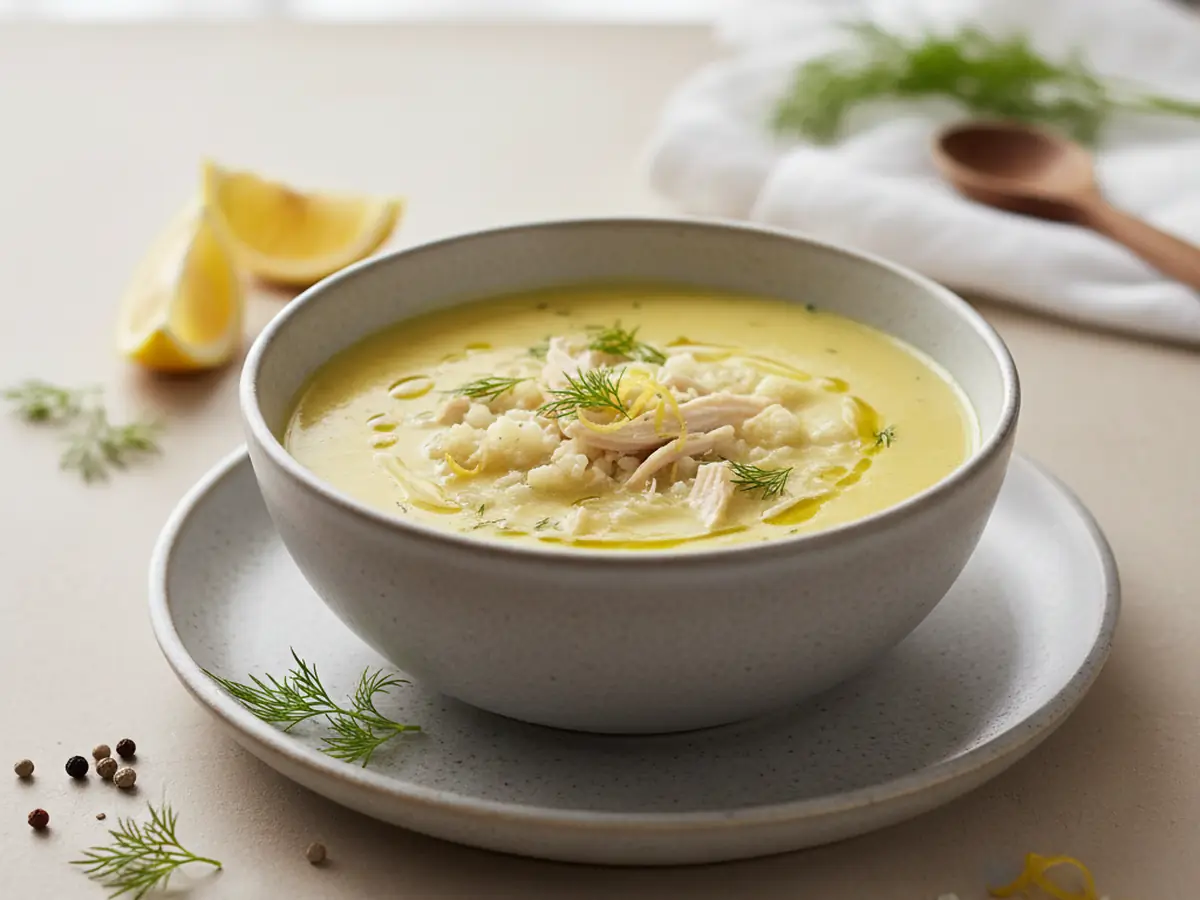
Avgolemono-Style Lemon Chicken Soup
A silky Greek lemon-egg soup with shredded chicken and riced cauliflower in place of rice.
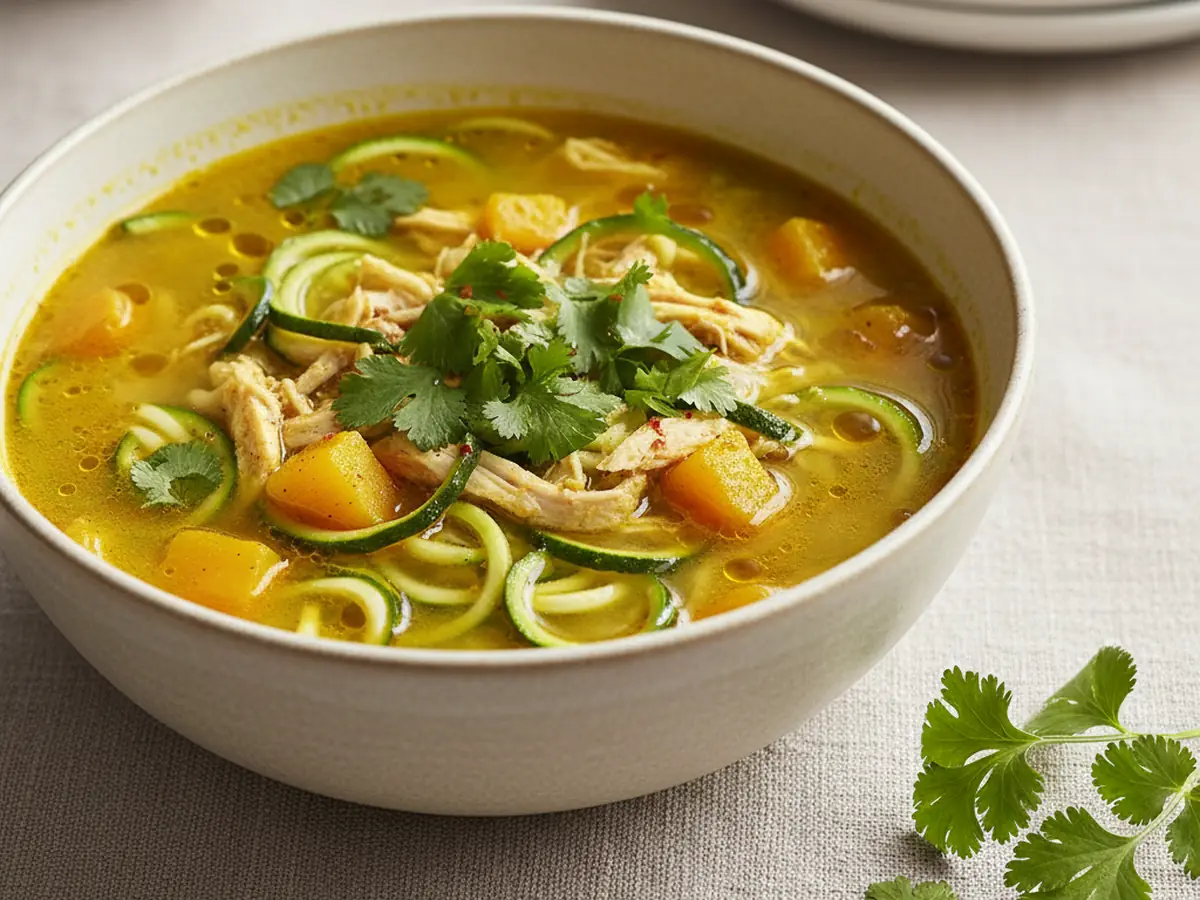
Moroccan Chicken and Zucchini Soup
A warming soup of chicken, zucchini, turmeric, ginger, and cilantro with no legumes or grains.
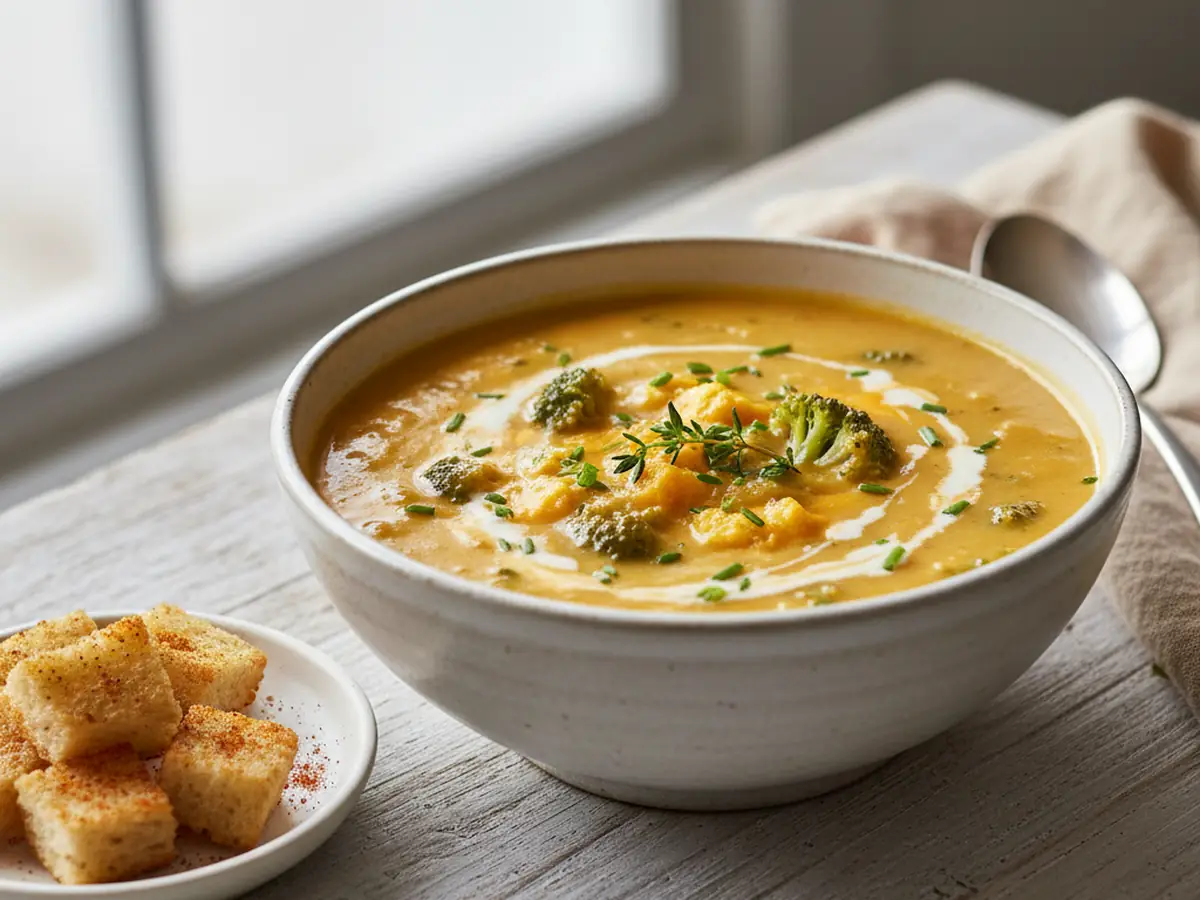
Creamy Broccoli Cheddar Soup
A thick, cheesy broccoli soup made without flour, with real cheddar and heavy cream.

Loaded Cauliflower Soup
A creamy cauliflower soup topped with cheddar, crisp bacon, and scallions, like a loaded baked potato soup.
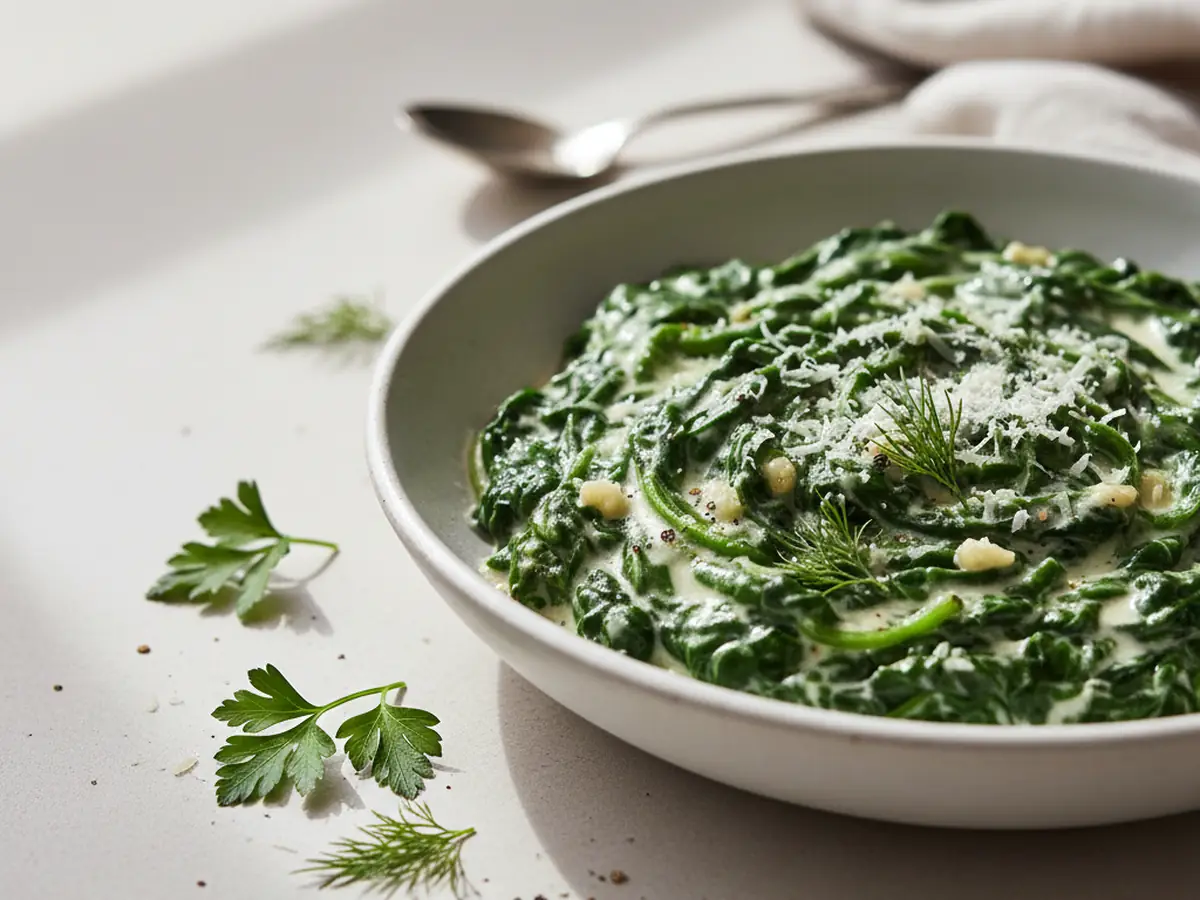
Creamy Garlic Creamed Spinach
Classic steakhouse-style spinach in a garlicky cream cheese and Parmesan sauce.
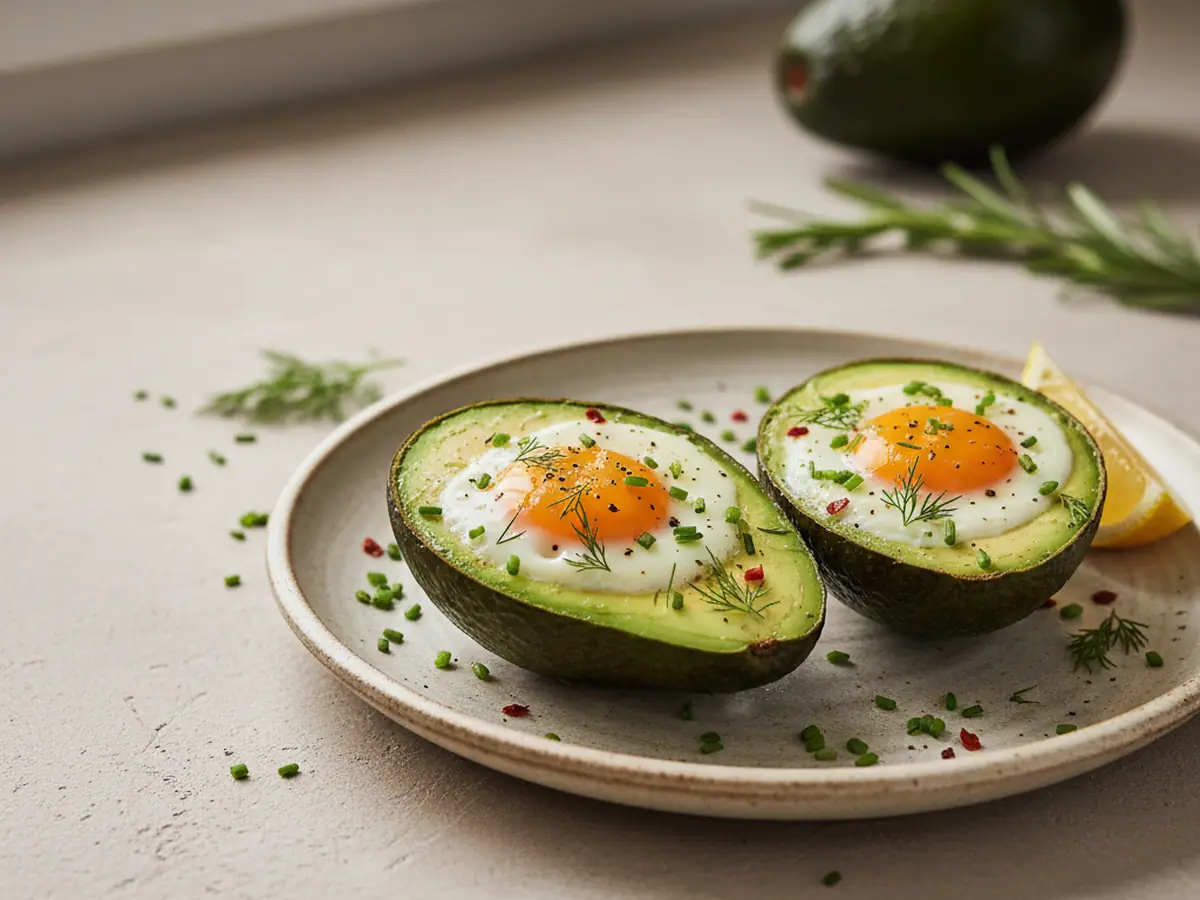
Avocado Baked Eggs
Eggs baked right inside ripe avocado halves, a two-ingredient breakfast with a creamy center.
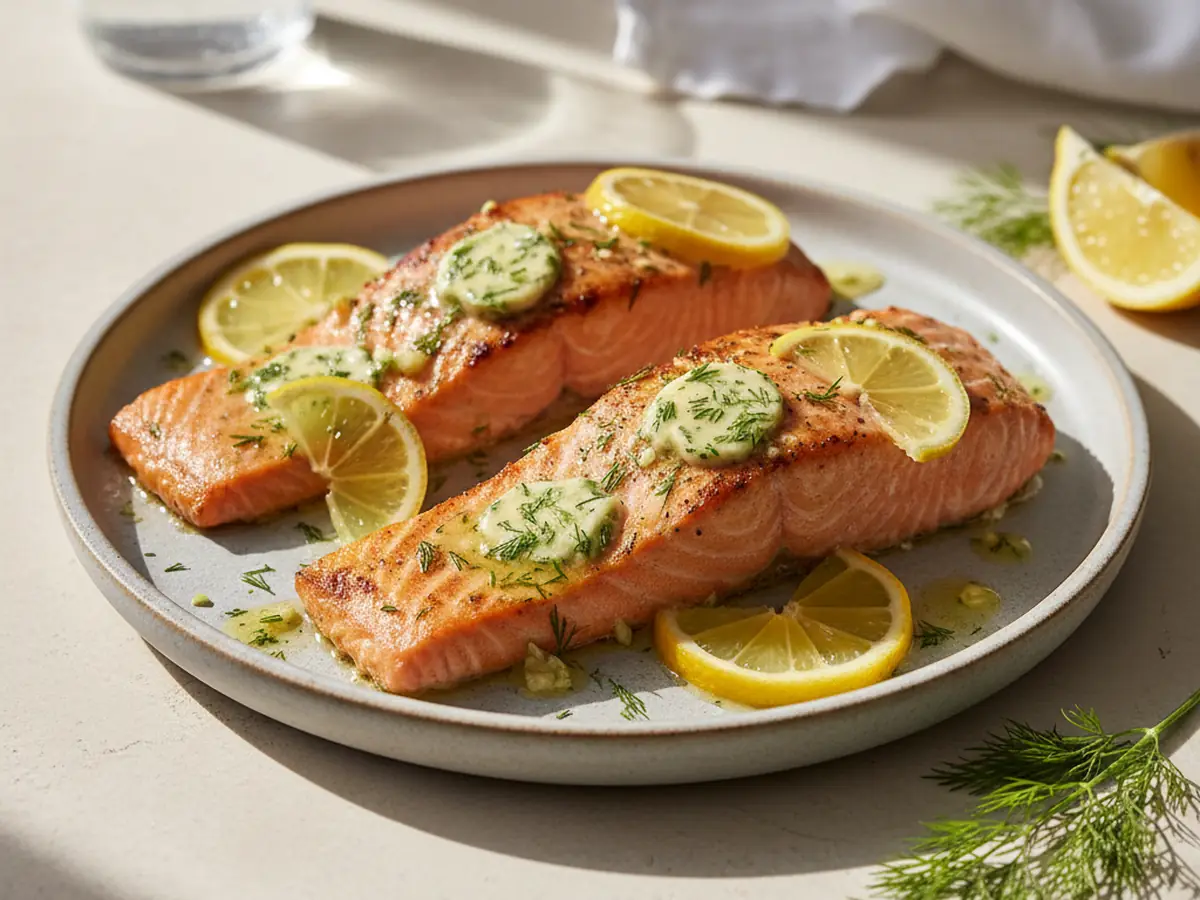
Baked Salmon with Dill Butter
Oven-baked salmon fillets topped with garlicky dill butter and lemon.
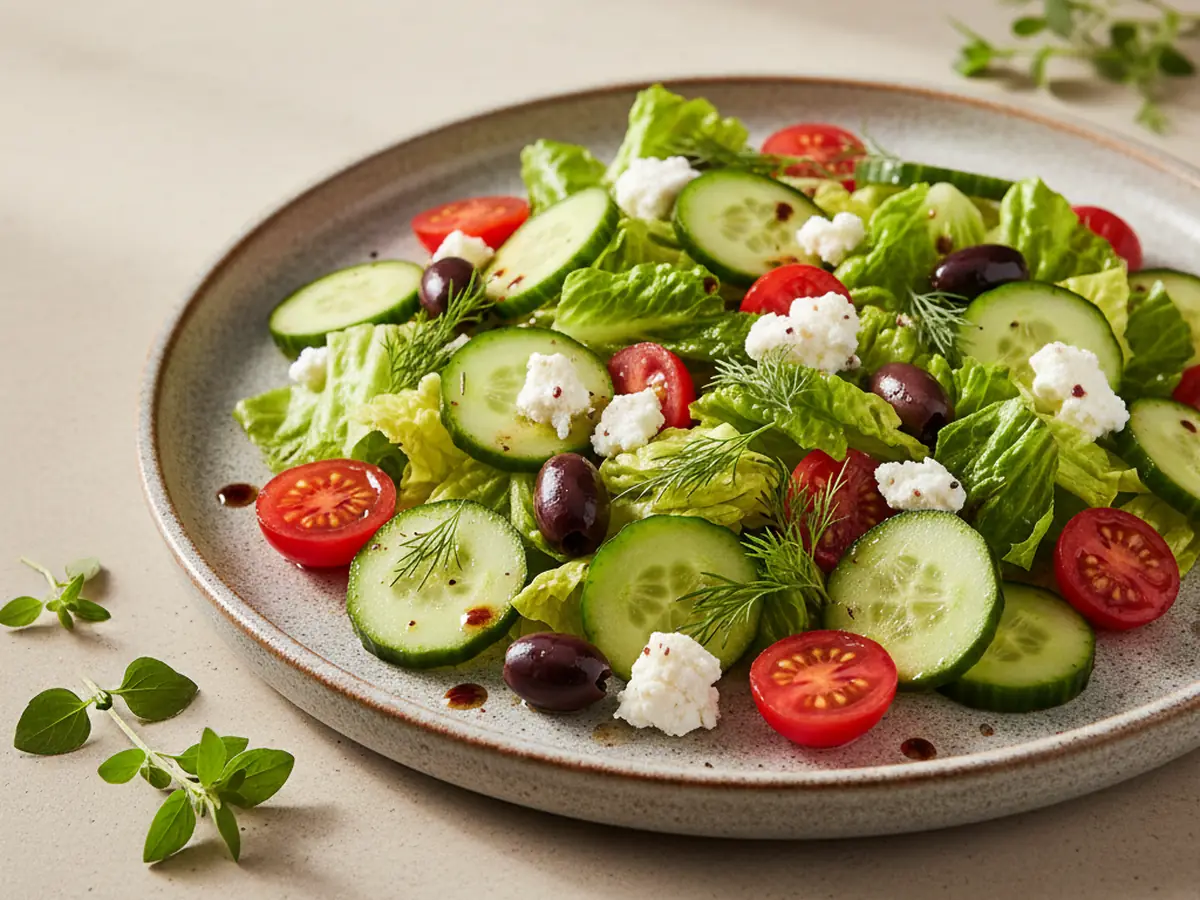
Mediterranean Chopped Salad
Crisp romaine, cucumber, tomato, olives, and feta in a red wine vinegar and olive oil dressing.

Moroccan-Style Fresh Mint Tea
Green tea steeped with plenty of fresh mint, served hot and unsweetened or lightly sweetened with a keto sweetener.