
Keto and Intermittent Fasting
Editorial team · 7 min read
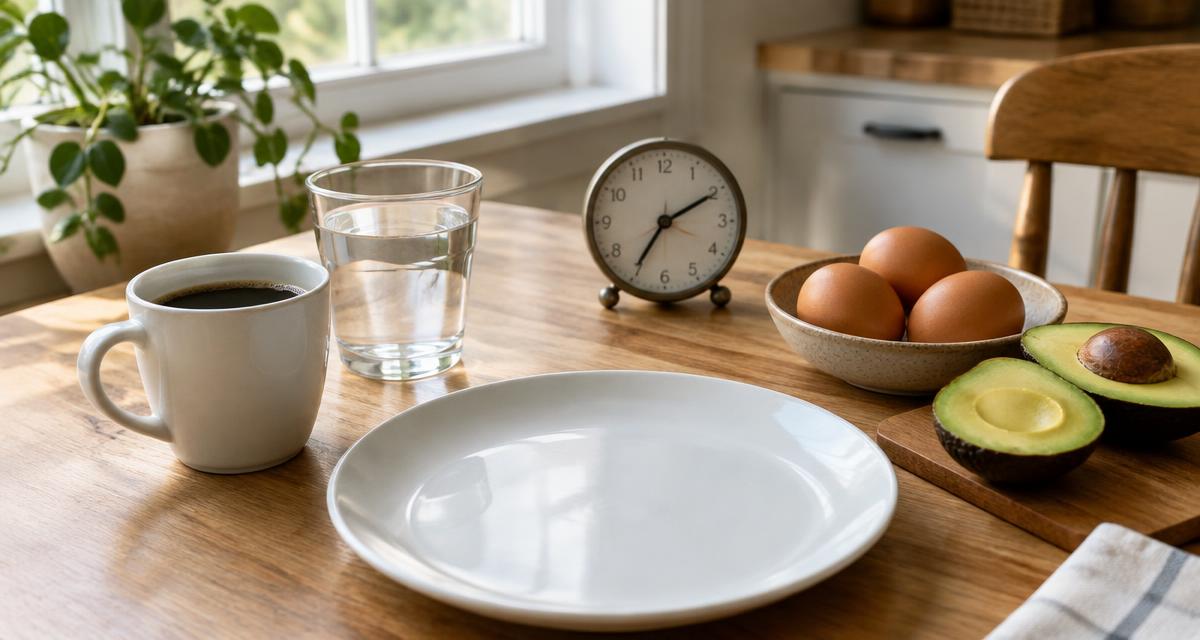
Keto and intermittent fasting are often mentioned together. They are two separate ideas. Keto is about what you eat: very low in carbohydrates. Intermittent fasting is about when you eat: going without food for a set stretch of time.
This guide explains how the two fit together, the common schedules, who should skip fasting, how to break a fast, and how to stay comfortable if you try it. It is general education, not medical advice. Fasting changes how your body handles food, medication, and fluids, so talk with a doctor or registered dietitian before you start, especially if you have a health condition or take medication. The "Who should not fast" section below lists the main cases.
If you are new to keto, begin with Keto Diet for Beginners and get comfortable with that before you add fasting.
How the two fit together
When you eat very few carbs, your body relies more on fat and on ketones the liver makes from fat. Fasting does something similar, because after several hours without food, your body gradually draws more on stored energy.
That overlap is why people pair them:
- Hunger may feel steadier. Many people find that meals built around protein and fat keep them full longer than high-carb meals, so waiting between meals is easier. This varies from person to person.
- Fewer meals can mean simpler days. Skipping a meal means less cooking and fewer decisions.
- Ketosis tends to come easier. If you are already low in carbs, you may reach ketosis sooner when you also have a longer gap between meals.
There are also reasons to be careful:
- Fasting is not a shortcut. Eating windows still need enough protein and nutrients. Cutting calories too far for too long can cost you muscle, energy, and mood.
- You can feel worse at first. The first week of keto can already bring tiredness, headaches, and cravings. See Keto Flu, Electrolytes and Side Effects. Adding a fast on top can make that harder.
- It is not required. Plenty of people do keto without ever fasting, and that is fine.
A sensible order is: get comfortable with keto for a few weeks, then, if you want to and your doctor agrees, try a short eating window.
Common fasting schedules
| Schedule | What it means | Who it suits |
|---|---|---|
| 12:12 | 12 hours without food, 12 hours eating | A gentle first step. Often just means no late-night snacking |
| 14:10 | 14 hours fasting, 10 hours eating | A small step up from 12:12 |
| 16:8 | 16 hours fasting, 8 hours eating (for example, noon to 8 p.m.) | The most popular starting point |
| 18:6 | 18 hours fasting, 6 hours eating | For people who already find 16:8 easy |
| OMAD | One meal a day | Advanced. Hard to meet protein and nutrient needs |
| 5:2 or alternate-day | Very low calories on set days | Advanced. Talk to a doctor first |
16:8 on keto
This is the schedule we suggest people try first. A simple version looks like this:
- Finish dinner around 7 or 8 p.m.
- Drink water, plain tea, or black coffee in the morning.
- Eat your first meal around noon.
- Eat a second meal and, if you wish, a small snack before 8 p.m.
On a 16:8 day you usually eat two meals instead of three, so each meal needs to be satisfying. Aim for protein, non-starchy vegetables, and fat. For example, Steak Salad with Blue Cheese and Walnuts (about 45 g protein and 3.6 g net carbs per serving) works well as a first meal, and Caprese Chicken Skillet (about 48 g protein, 2.7 g net carbs) works well as a dinner.
OMAD and keto
Eating one meal a day is sometimes combined with keto. It can be hard to get enough protein, fiber, vitamins, and minerals in a single sitting, and a very large meal can feel uncomfortable. We do not suggest it for beginners, and you should discuss it with a doctor or dietitian before trying it.
Fasting for beginners
If you have never fasted:
- Start with 12 hours, then add an hour at a time.
- Choose days when you are not very busy or training hard.
- Keep drinking water and, if you need to, add a pinch of salt or a mineral-balanced drink. See the electrolyte section below.
- Stop if you feel unwell. Dizziness, fainting, a racing heart, or intense weakness are signs to eat and to get medical advice.
Who should not fast
Fasting is not safe or appropriate for everyone. Do not fast, or speak to a doctor first, if any of the following applies:
- You are pregnant or breastfeeding.
- You are under 18.
- You have a history of an eating disorder or an unhealthy relationship with food.
- You are underweight or have unplanned weight loss.
- You have diabetes or take medication to lower blood sugar. Fasting can cause blood sugar to fall too low.
- You take medication for blood pressure, heart conditions, or other chronic conditions. Fasting can change how much medication you need.
- You have kidney, liver, pancreas, or gallbladder disease.
- You are recovering from surgery or an illness.
- You feel unwell, are very stressed, or sleep very poorly.
If you are not sure, ask. Never change or skip prescribed medication because you are fasting without your doctor's guidance.
Warning signs to stop
Stop fasting and eat if you have fainting, severe dizziness, chest pain, a racing or irregular heartbeat, confusion, severe stomach pain, or nausea that does not pass. Seek medical help if symptoms are serious or do not improve.
What to eat when you break a fast
How you break a fast matters. A very large or very rich first meal can leave you uncomfortable, and a high-carb meal can end ketosis and cause a blood sugar swing.
A simple formula
- Start with something light if you have fasted a long time. A bowl of broth or soup such as Egg Drop Soup (about 2.3 g net carbs per serving) or Chicken Zoodle Soup (about 5.1 g net carbs) is gentle.
- Eat a regular-sized meal. Include protein, non-starchy vegetables, and fat. Protein helps with fullness and keeps muscle.
- Eat slowly. Give yourself ten to twenty minutes before deciding you need more.
- Skip sweets and refined carbs. They are the most likely to cause a crash.
Good first meals
- Turkey Sausage Scramble Bowls, about 33 g protein and 2.6 g net carbs per serving.
- Pesto Chicken Zucchini Noodle Bowl, about 38.5 g protein and 6.2 g net carbs.
- Baked Salmon with Dill Butter, about 0.8 g net carbs, with a side of vegetables.
- Greek Shrimp and Feta Skillet, about 41.6 g protein and 7.3 g net carbs.
- Chicken Caesar Lettuce Wraps, a lighter meal with about 37.5 g protein.
Note that some of these dishes contain a fair amount of sodium. If you have high blood pressure or kidney disease, ask your doctor what is right for you.
Tips for staying comfortable
Drink enough
Dehydration is the most common reason people feel poorly while fasting. Drink water through the day. Plain tea and black coffee are usually fine. If you are very low in carbs, you also lose more sodium and water, so see Keto Flu, Electrolytes and Side Effects. A simple option is Sparkling Lemon-Lime Water with Sea Salt, which has about 300 mg of sodium per serving. Keep supplements and large amounts of salt for a conversation with your doctor, especially if you have kidney disease or high blood pressure.
Eat enough in your window
Do not use fasting as a reason to under-eat. Use our keto macro calculator to get a starting point and make sure you reach it in fewer meals. If you are losing weight faster than you planned, or you feel weak, increase your intake or shorten your fast.
Protect your sleep
Poor sleep raises hunger. Try not to fast on days when you slept badly, and avoid long fasts before important events.
Keep activity light at first
Light walking is fine. Save intense workouts for your eating window until you know how you feel.
Plan your meals
Fasting works best when you are not scrambling for food at the end of it. Prepare meals in advance with the help of Keto Meal Planning and Meal Prep.
Do not let it take over
If you find yourself thinking about food all the time, feeling anxious about eating, or hiding your eating, stop and talk to a healthcare professional. Fasting should fit into your life, not control it.
Is fasting good for weight loss?
Some people use fasting to eat fewer calories without counting. It can work for that, because a shorter eating window can lead to eating less overall. It is not magic: the total amount you eat over time still matters, and many people do just as well with regular meals. We cover this in Keto for Weight Loss.
Next steps
- Get comfortable with keto first, using Keto Diet for Beginners.
- If you are healthy and your doctor agrees, try 12:12, then 14:10, then 16:8.
- Plan satisfying meals with protein and non-starchy vegetables.
- Stop and seek advice if you feel unwell.
Frequently asked questions
Related guides
Related recipes
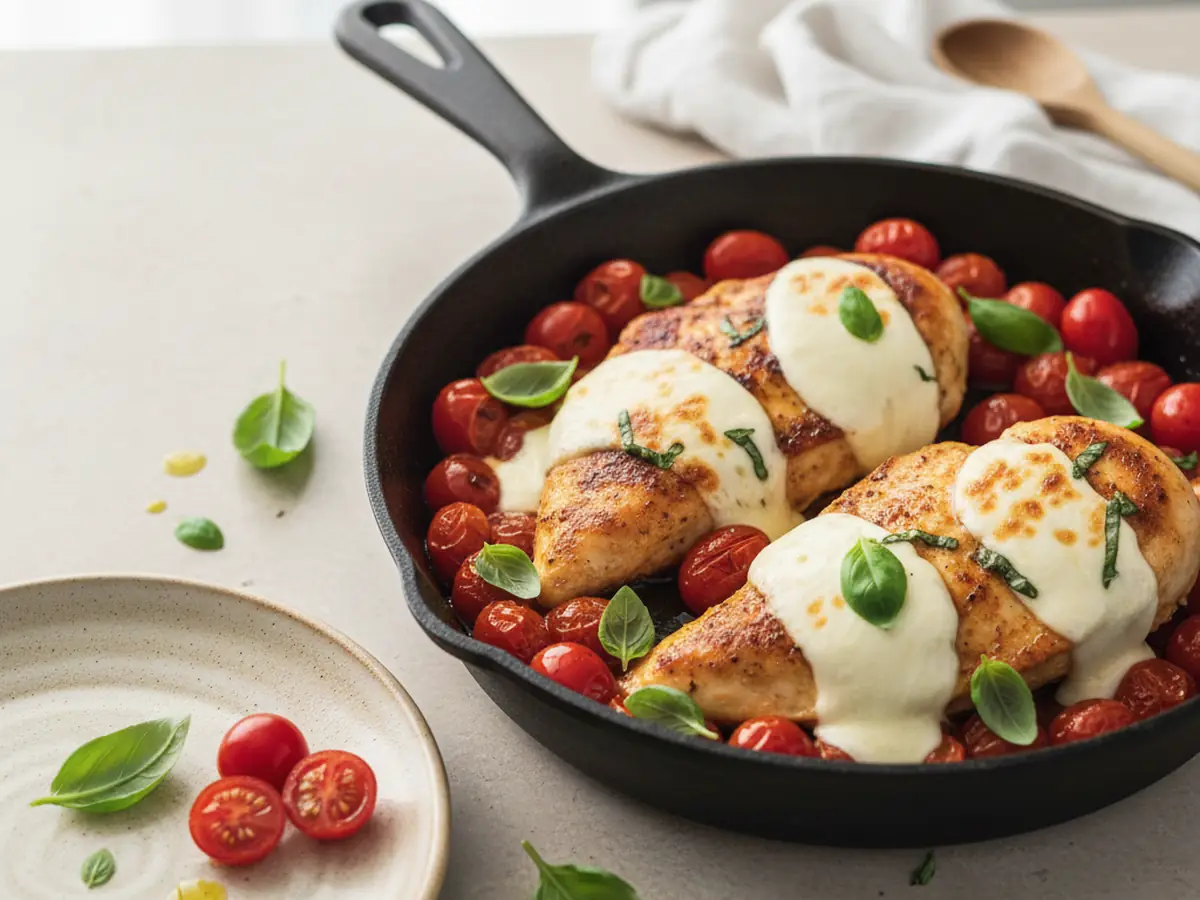
Caprese Chicken Skillet
Seared chicken breasts topped with tomatoes, melted mozzarella, and fresh basil.
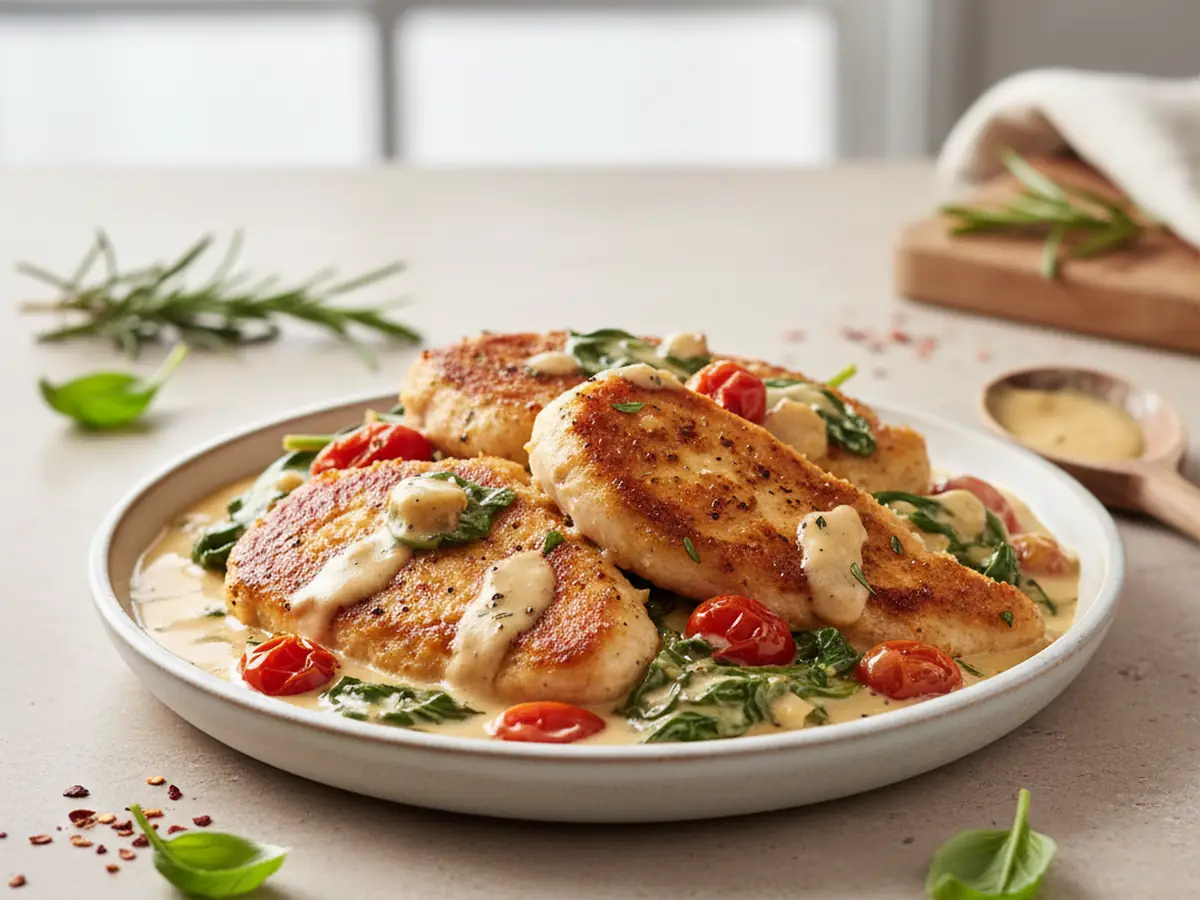
Creamy Tuscan Chicken
Pan-seared chicken in a garlicky Parmesan cream sauce with spinach and tomatoes.
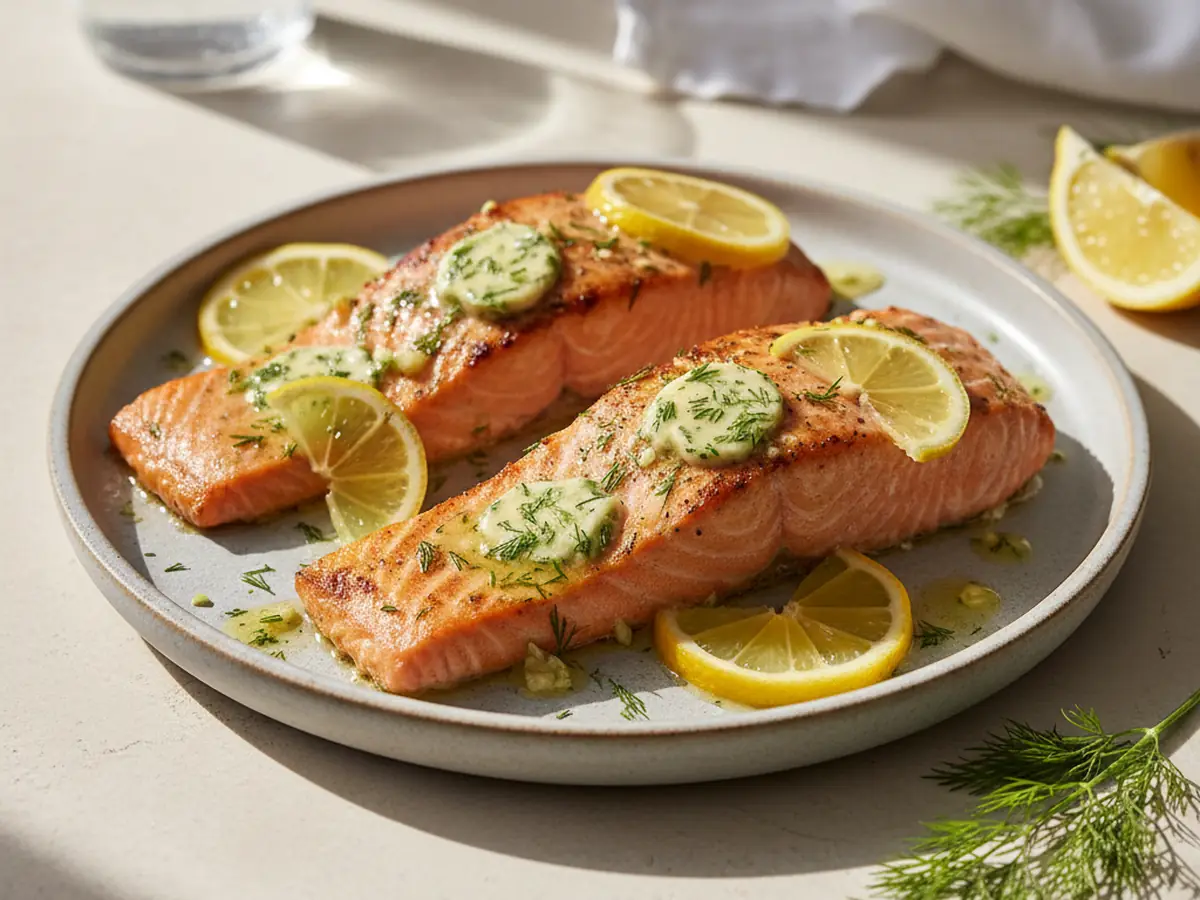
Baked Salmon with Dill Butter
Oven-baked salmon fillets topped with garlicky dill butter and lemon.
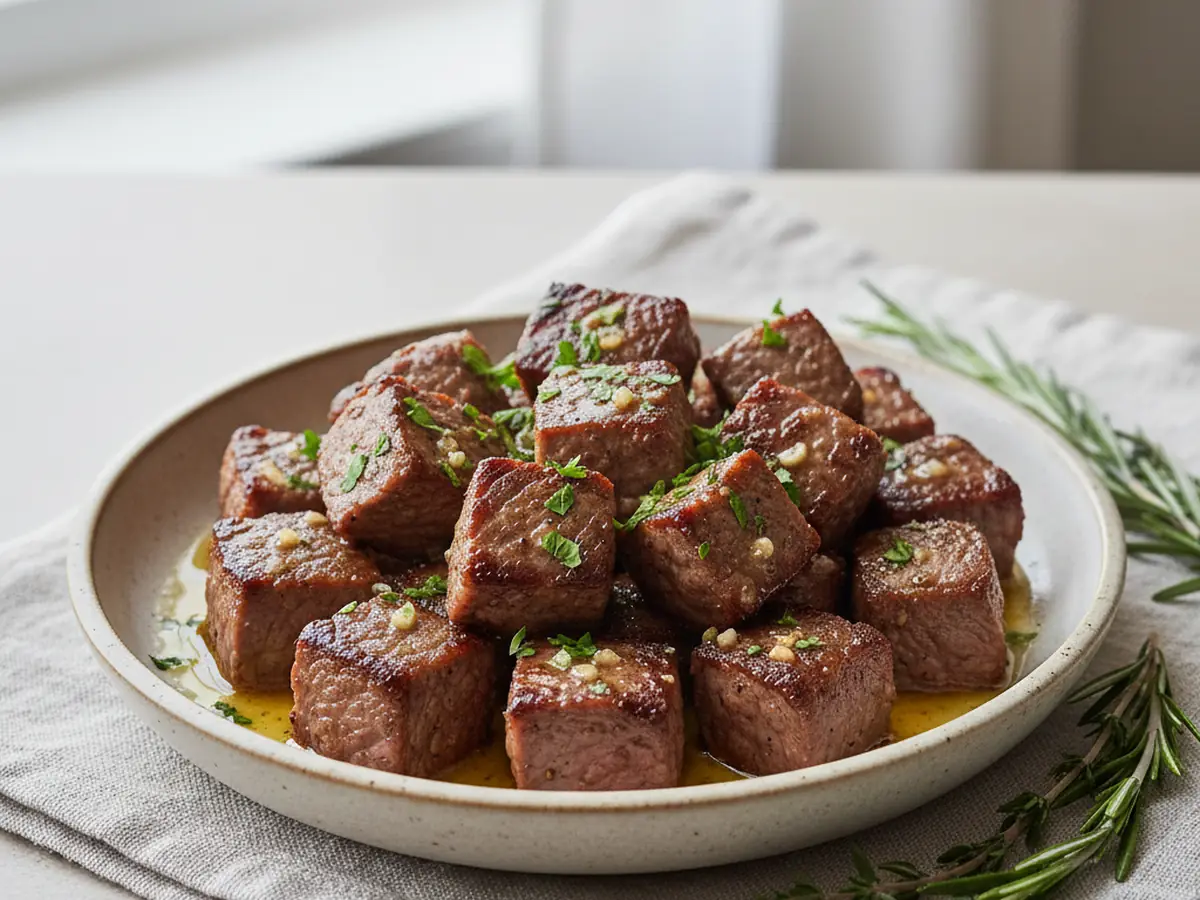
Garlic Butter Steak Bites
Seared sirloin cubes tossed in garlic butter and fresh parsley, a fast skillet dinner.
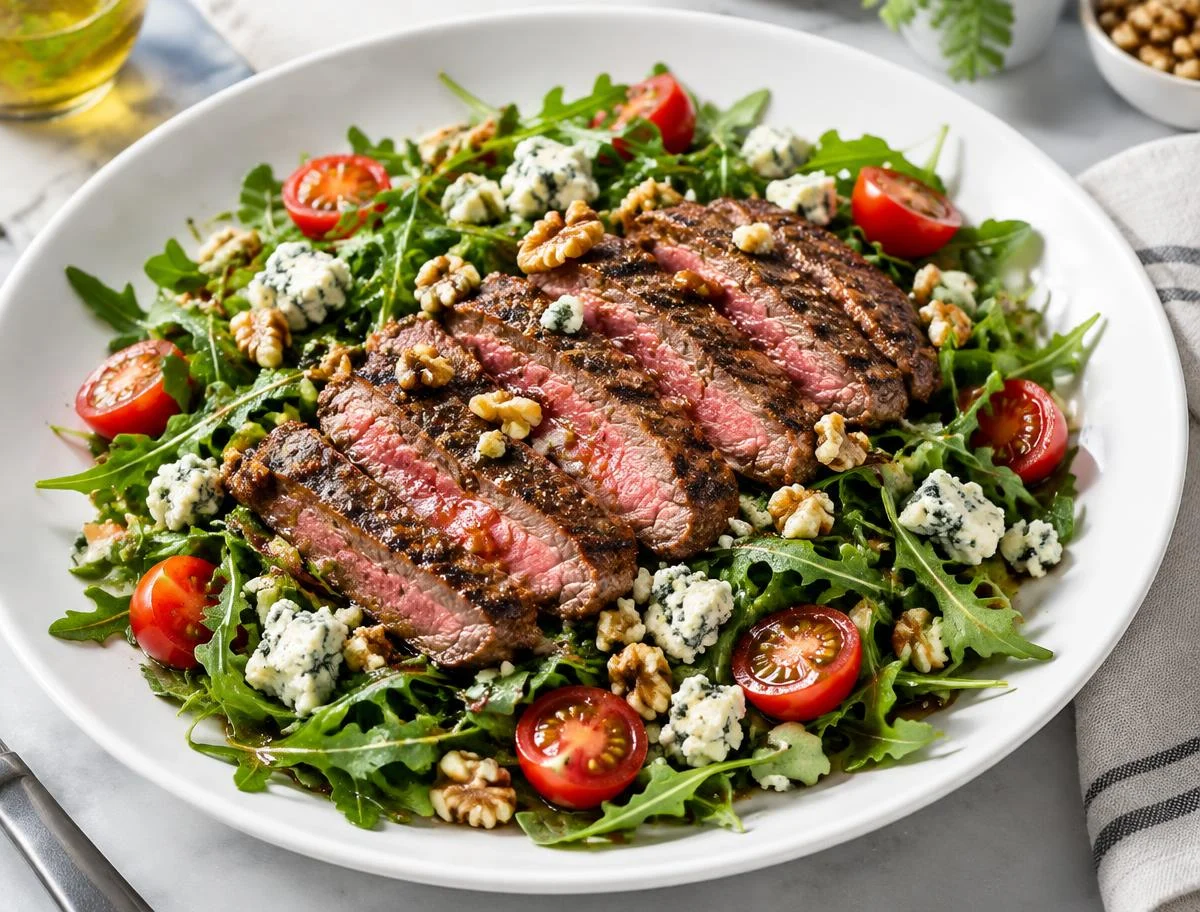
Steak Salad with Blue Cheese and Walnuts
Seared sirloin sliced over peppery arugula with blue cheese, walnuts, and a mustard vinaigrette.
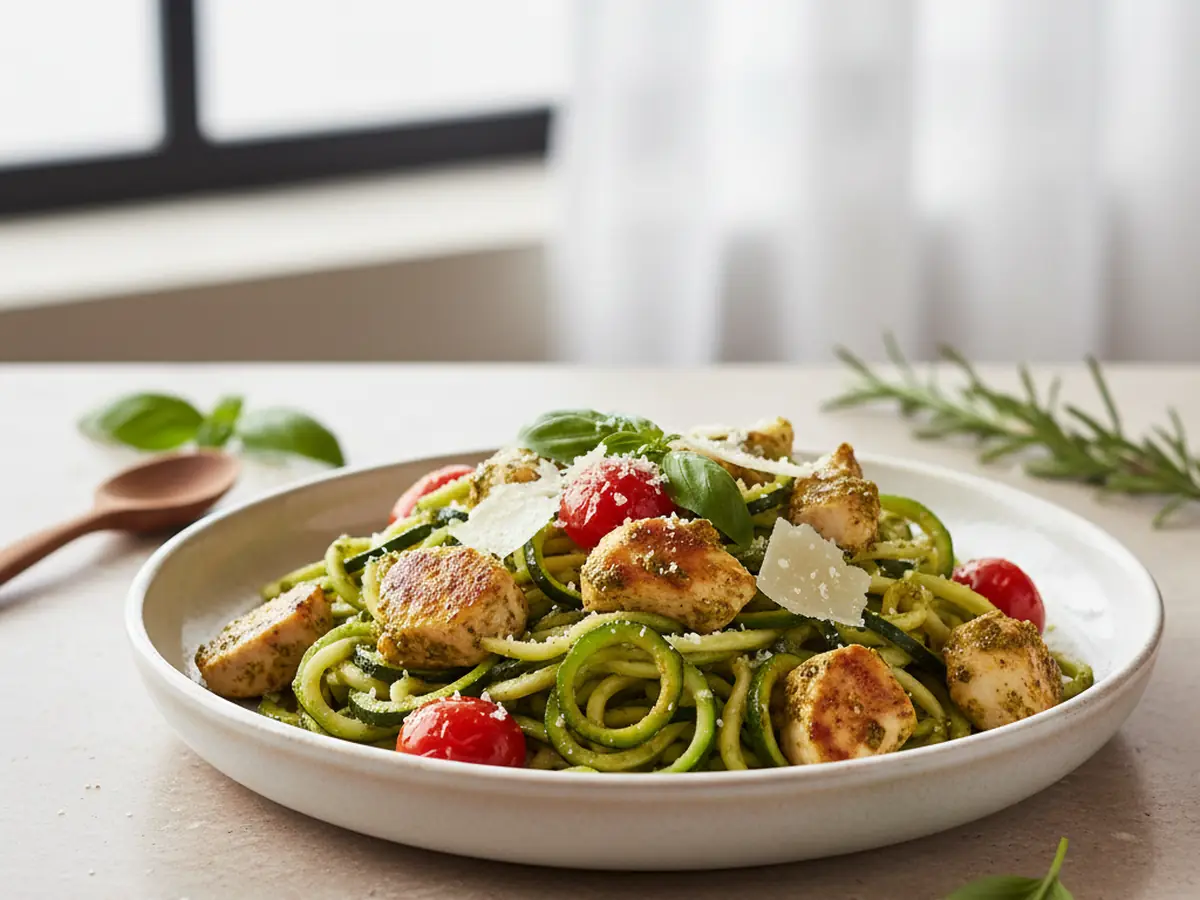
Pesto Chicken Zucchini Noodle Bowl
Sautéed chicken and zucchini noodles tossed in basil pesto, finished with cherry tomatoes and Parmesan.
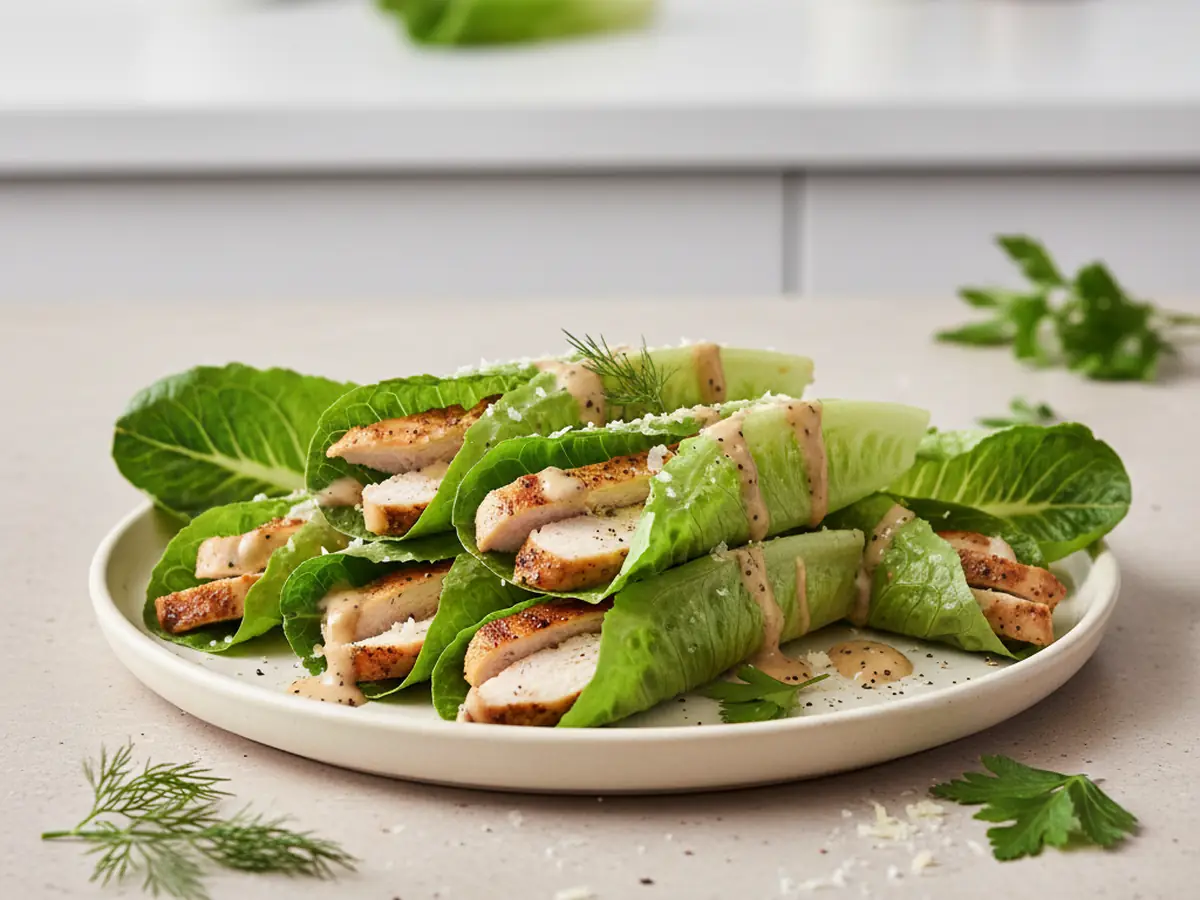
Chicken Caesar Lettuce Wraps
Seared chicken in a homemade Caesar-style dressing, rolled in crisp romaine leaves.
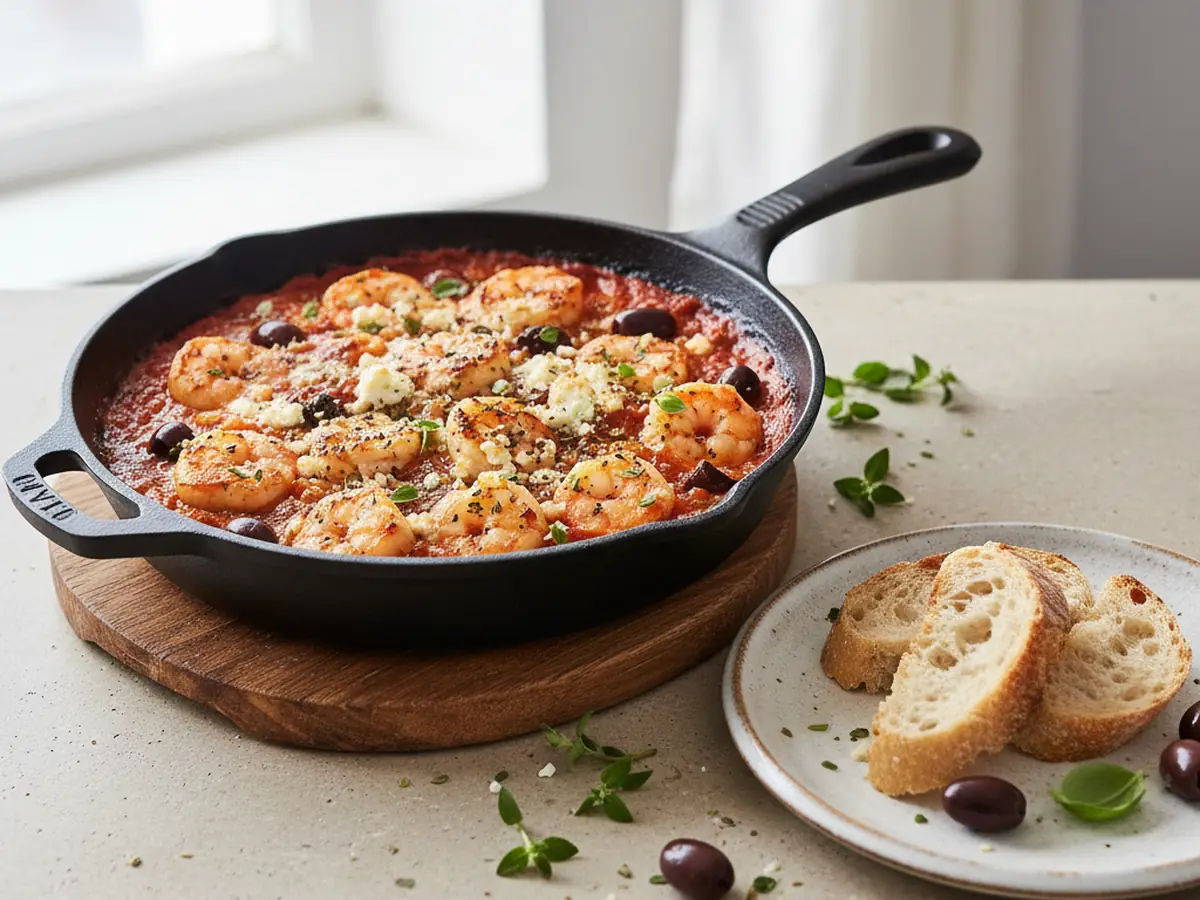
Greek Shrimp and Feta Skillet
Shrimp simmered in a garlicky tomato sauce with oregano and olives, finished with feta.
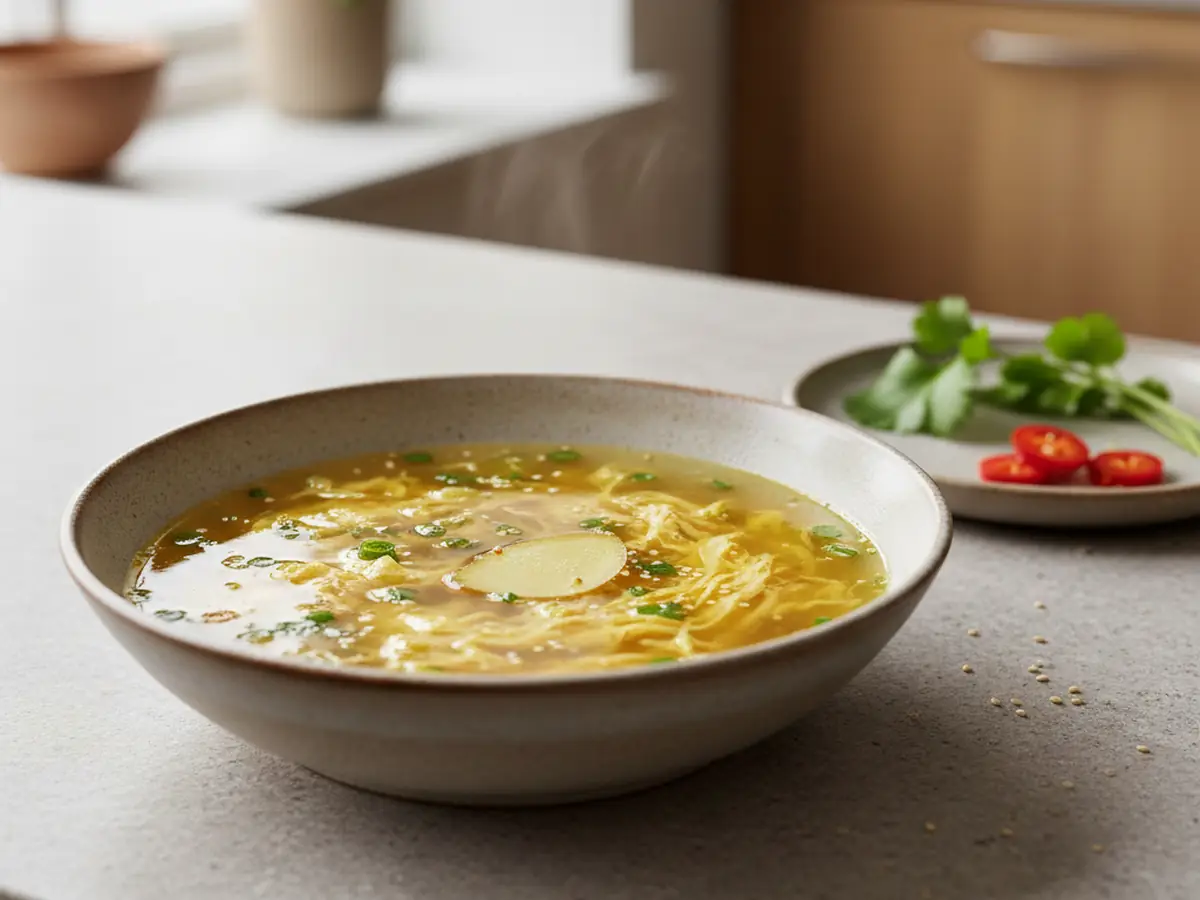
Egg Drop Soup
Silky ribbons of egg in a ginger-scented broth, a quick keto comfort soup.
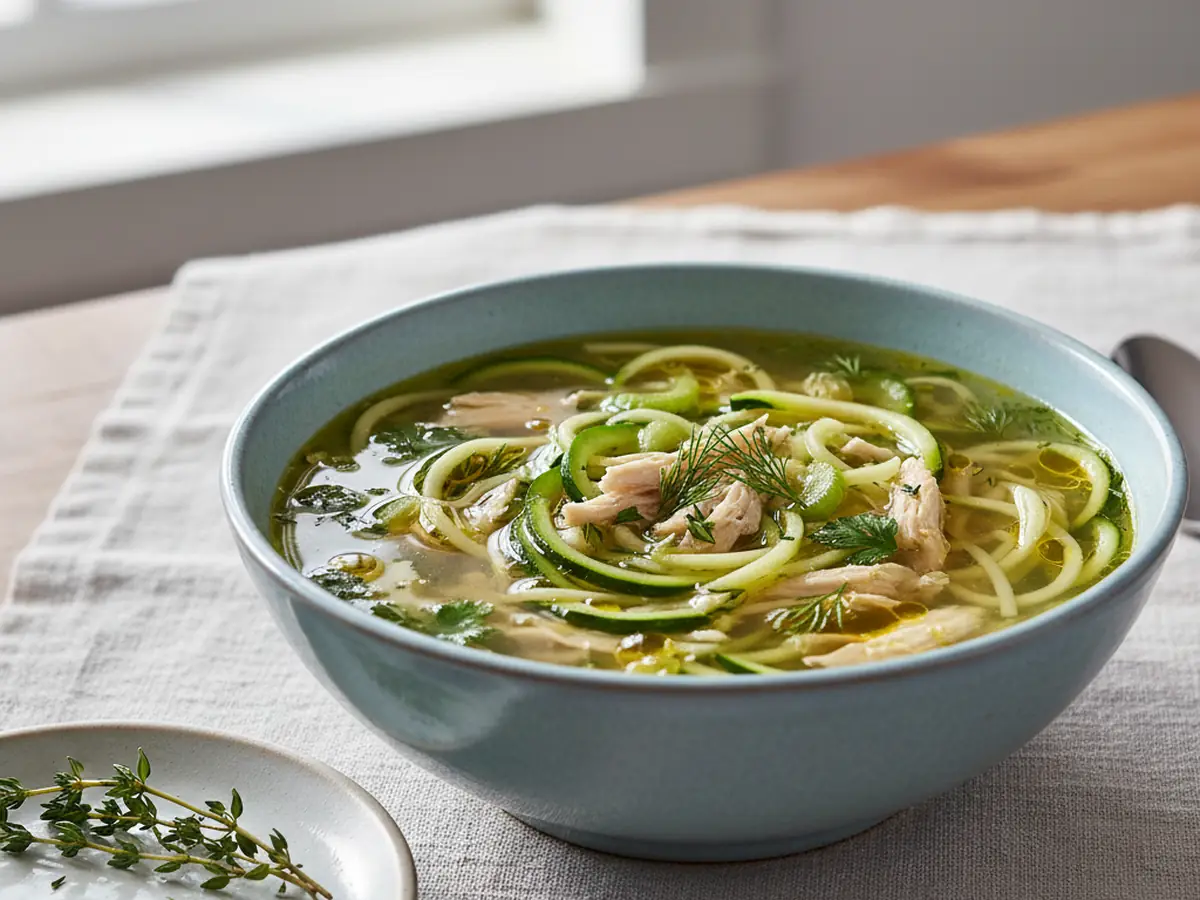
Chicken Zoodle Soup
A light chicken soup with celery, herbs, and zucchini noodles in place of pasta.

Sparkling Lemon-Lime Water with Sea Salt
Refreshing sparkling water with lemon, lime, mint, and a pinch of sea salt for people who like a savory, hydrating drink.
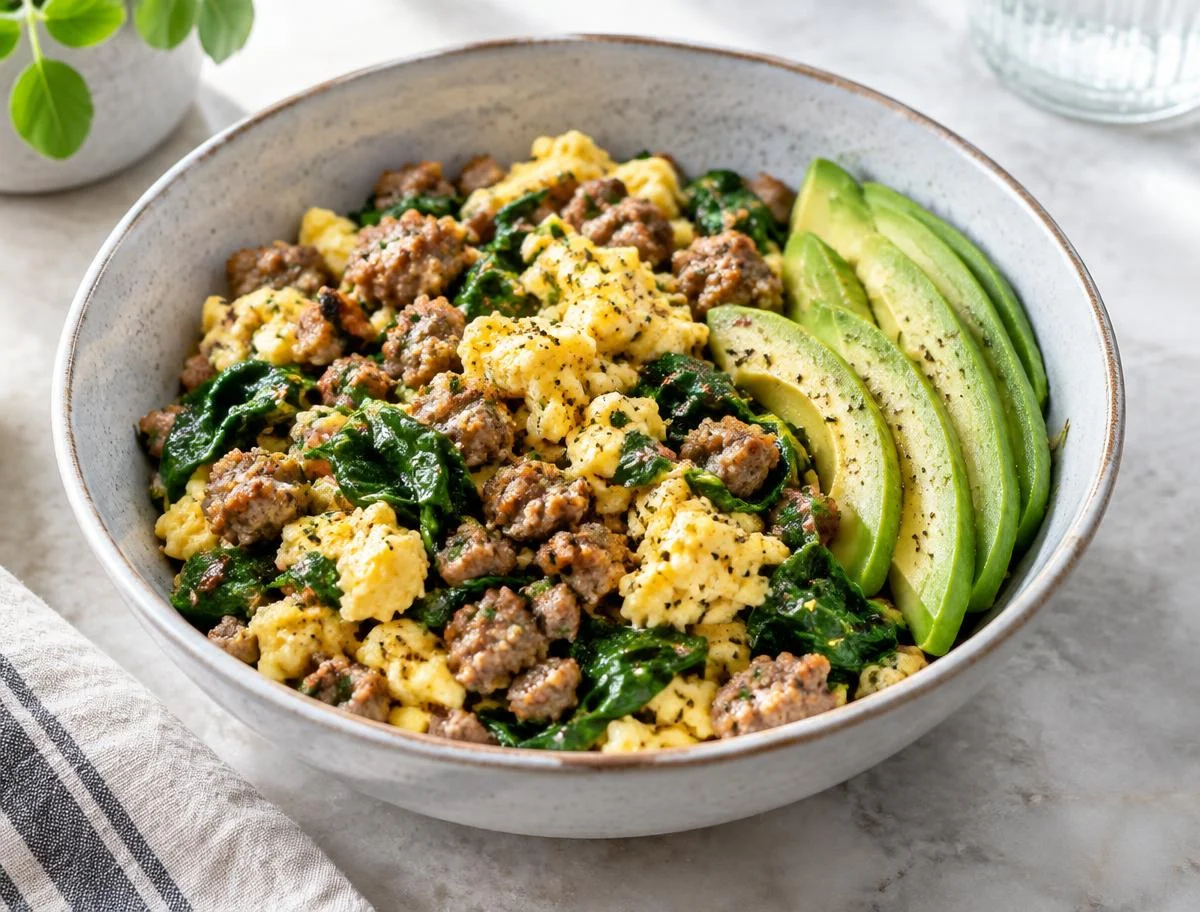
Turkey Sausage Scramble Bowls
Seasoned ground turkey scrambled with eggs and spinach, topped with sliced avocado.