Keto for Weight Loss: What to Expect
Editorial team · 7 min read
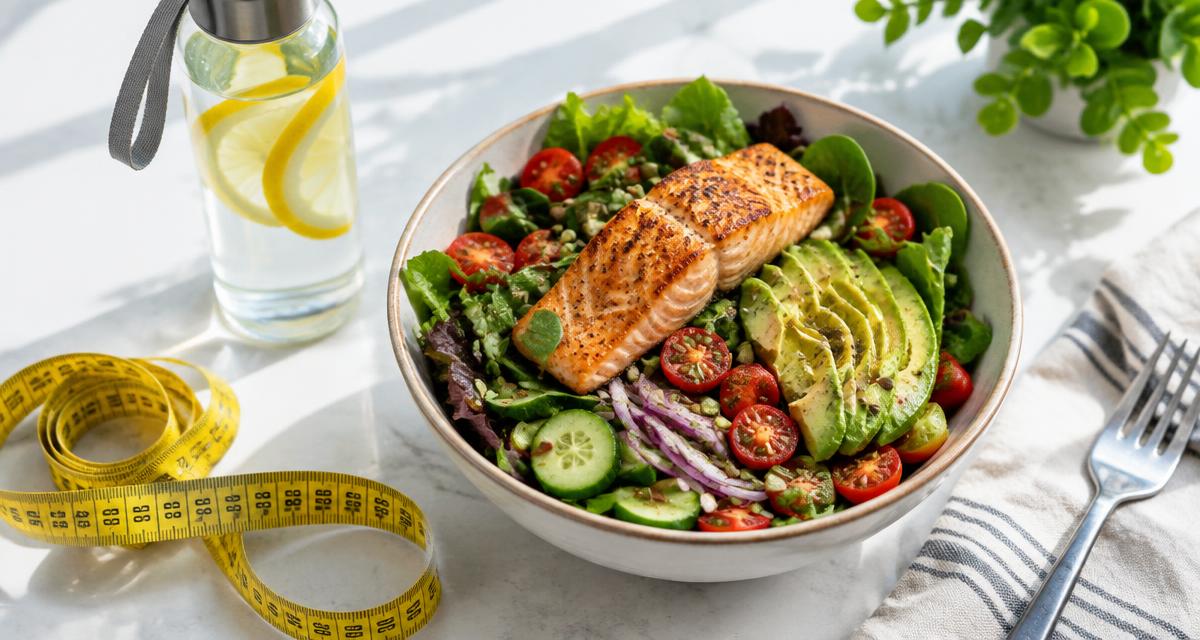
Weight loss is one of the most common reasons people try keto. It is also one of the most oversold. Keto is a way of eating, not a guarantee, and results differ from person to person.
This guide explains how keto may help, what a realistic timeline looks like, why calories still count, how to handle plateaus, and how to fit in exercise. It is general education, not medical advice. If weight is a medical concern, or if you have a health condition or take medication, work with a doctor or registered dietitian.
This site does not promise any amount of weight loss in any amount of time. We focus on helping you eat in a way that you can keep up.
How keto may help with weight loss
Weight change happens when the energy you take in and the energy you use differ over time. Keto does not remove that rule. What it may do is make it easier for some people to eat less without feeling as hungry.
Here are some of the reasons people report:
- Protein and fat are filling. Meals centered on eggs, meat, fish, and vegetables keep many people satisfied for longer.
- Fewer cravings for some. Cutting sugar and refined carbs can reduce the cycle of spikes and crashes for certain people.
- Fewer food choices. Without bread, pasta, and sweets, there are fewer easy snacks, which can reduce unplanned eating.
- Early water loss. Lower carbs mean your body stores less water, which shows up quickly on the scale.
Keto is not magic, and it is not the only way to lose weight. Many eating patterns work if you can keep them going. The best plan is the one that fits your life, your preferences, and your health.
Realistic timelines
The first week
Many people see a drop of a few pounds in the first week. Most of this is water and stored carbohydrate, not fat. It is real on the scale but does not mean that much fat has been lost. It can also come back quickly if you return to higher carbs.
Weeks two to eight
Change is usually slower and uneven. The scale may go down for a few days, stay flat for a few days, and even go up a little. This is normal. Water, salt intake, sleep, stress, and, for many women, the menstrual cycle all move the number.
Beyond two months
Progress tends to slow further as your body gets smaller and needs less energy. Many people find a slow, steady pace easier to keep than a fast one. A doctor or dietitian can help you set a pace that suits your health.
Better ways to measure progress
The scale is one tool, not the only one. Also consider:
- How your clothes fit
- Waist measurement
- Energy and sleep
- Hunger and cravings
- Blood tests and blood pressure, as your doctor recommends
Calories still count
Keto changes what you eat. It does not cancel the energy in food. Fat is dense: a tablespoon of oil or butter has more than 100 calories. It is easy to eat a lot of calories from nuts, cheese, cream, and oils without noticing.
Working out a starting point
Use our keto macro calculator to estimate calories and macros. If you want to understand the numbers behind it, read Net Carbs and Macros Explained. A few basics:
- Carbs: many people choose 20 to 50 g of net carbs per day.
- Protein: enough to protect muscle. A common range is about 1.2 to 2.0 grams per kilogram of body weight.
- Fat: fill the remaining energy based on hunger and your goal. If you are trying to lose weight, you may need less added fat than you think.
Higher-protein, moderate-calorie meals
If you track calories, these recipes are under 450 kcal per serving with at least 25 g of protein:
| Recipe | Net carbs | Calories | Protein |
|---|---|---|---|
| Chicken Caesar Lettuce Wraps | 1.7 g | 361 | 37.5 g |
| Chermoula Baked Cod | 2.9 g | 294 | 31.6 g |
| Shrimp Scampi with Zucchini Noodles | 5.9 g | 292 | 33.4 g |
| Asian-Style Chicken and Broccoli Stir-Fry | 4.6 g | 340 | 37.0 g |
| Greek Shrimp and Feta Skillet | 7.3 g | 368 | 41.6 g |
| Greek Chicken Souvlaki with Tzatziki | 4.9 g | 370 | 39.4 g |
| Caprese Chicken Skillet | 2.7 g | 405 | 48.2 g |
| Pesto Chicken Zucchini Noodle Bowl | 6.2 g | 398 | 38.5 g |
Values are estimates per serving. Check each recipe page for details, and adjust portions to your own needs.
Watch these calorie-dense foods
- Nuts and nut butters
- Cheese and cream
- Added oils and butter
- Keto desserts and "fat bombs"
- Drinks with cream or butter
They are fine in measured amounts, and they add up fast if you pour or snack without measuring.
Plateaus and what to do
A plateau is a stretch of a few weeks with no change on the scale or tape measure. It is common and does not mean keto has stopped working.
Check these first
- Hidden carbs. Sauces, dressings, processed meats, and "low-carb" packaged foods can push you above your target. See the keto food list.
- Portion creep. After a few weeks, servings of cheese, nuts, and oil tend to grow.
- Liquid calories. Cream in coffee, alcohol, and smoothies count.
- Protein. Too little can leave you hungry and cost you muscle.
- Sleep and stress. Both raise hunger and make it harder to stay on plan.
- Activity. If you moved less, you may need to eat a little less or add some walking.
- Time. Sometimes the answer is to wait two or three weeks while keeping everything steady.
Things you can try
- Track what you eat for one to two weeks to see where the calories and carbs really come from.
- Reduce added fat a little, not protein.
- Add a short daily walk.
- Try a simple 12-hour overnight gap. See Keto and Intermittent Fasting before attempting longer fasts.
- Review your portions of nuts, cheese, and sweeteners.
Avoid crash dieting, skipping meals to the point of dizziness, or cutting calories far below what your doctor recommends. That tends to backfire and may be harmful.
Keto for women over 40
Hormones change with age, and sleep, stress, and medication can affect weight. Many women do well on keto with a few adjustments: eat enough protein, include strength training, prioritize sleep, and go slowly. If you take hormonal medication or have a medical condition, speak with your doctor before you start. For more on meal structure, see Keto Meal Planning and Meal Prep.
Exercise on keto
You do not have to exercise to follow keto, but being active helps health, mood, and long-term weight maintenance.
- Walking is the easiest place to start and works for everyone.
- Strength training helps you keep muscle while you lose weight. Two or three short sessions a week are a good target.
- Hard cardio or high-intensity workouts can feel harder in the first few weeks of keto, as your body adapts. Reduce intensity and build back up.
- Hydration and salt matter more when you train. See Keto Flu, Electrolytes and Side Effects.
- Eat protein after training. Turkey Sausage Scramble Bowls (about 33 g protein) and Mediterranean Baked Salmon with Olives and Tomatoes (about 35 g) are good examples.
Simple, light options for busy days
- Egg Drop Soup, about 102 kcal and 2.3 g net carbs per serving.
- Mediterranean Tuna Salad with Olives and Capers, about 203 kcal and 19 g protein.
- Chermoula Baked Cod, with a green salad.
When to talk to a doctor
Speak with a doctor or registered dietitian before you start if any of these apply:
- You have diabetes or take medication to lower blood sugar. Doses may need adjusting as your eating changes.
- You take medication for blood pressure or heart disease.
- You have kidney, liver, pancreas, or gallbladder disease.
- You are pregnant, breastfeeding, or trying to conceive.
- You are under 18.
- You have a history of an eating disorder.
- You have a lot of weight to lose, or a medical reason to lose it. A doctor can check the whole picture and discuss options.
Contact your doctor if you notice severe weakness, fainting, a racing heartbeat, ongoing nausea, or other symptoms that worry you.
Next steps
- Set a realistic goal with your doctor if you have a medical reason to lose weight.
- Get your starting numbers from the keto macro calculator.
- Choose a few simple recipes and plan your week with Keto Meal Planning and Meal Prep.
- Give it time, track your progress in more than one way, and adjust slowly.
Frequently asked questions
Related guides
Related recipes
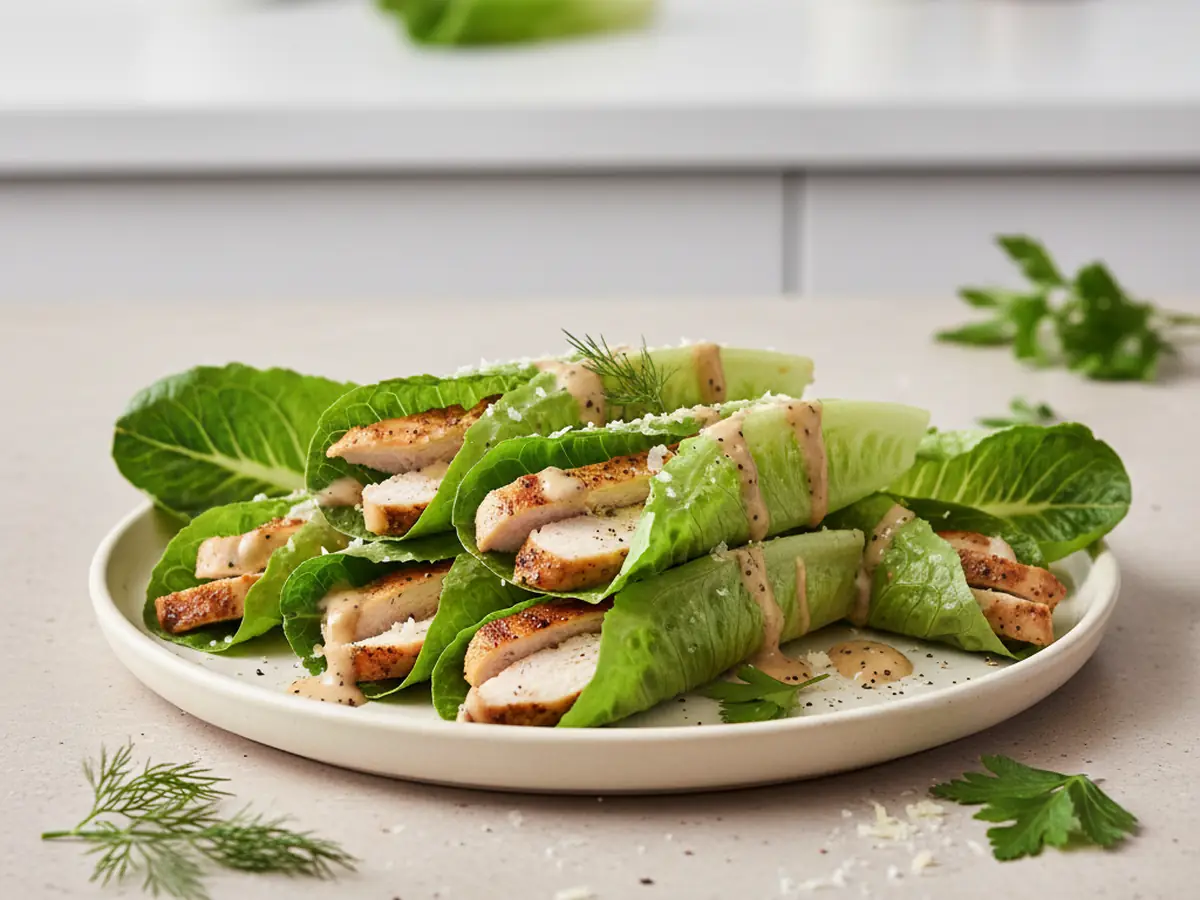
Chicken Caesar Lettuce Wraps
Seared chicken in a homemade Caesar-style dressing, rolled in crisp romaine leaves.
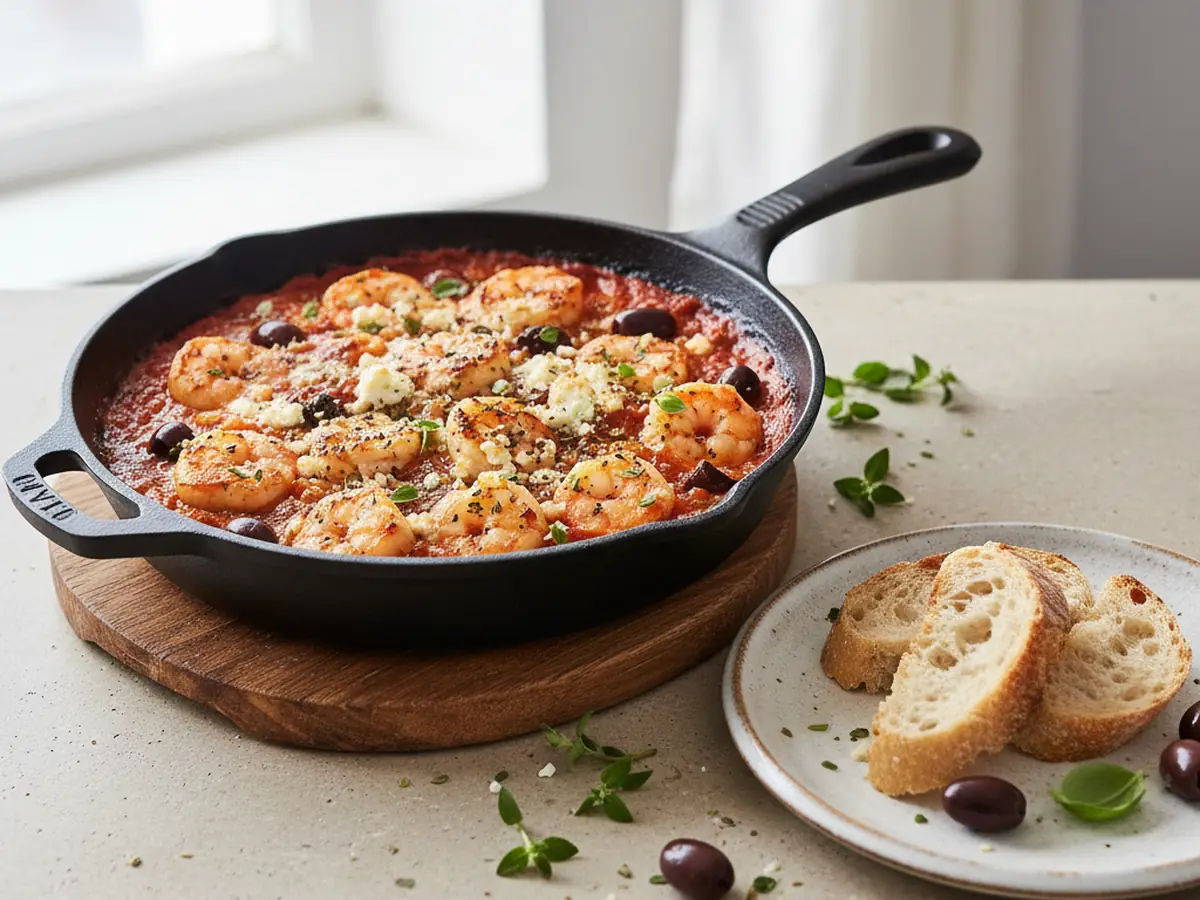
Greek Shrimp and Feta Skillet
Shrimp simmered in a garlicky tomato sauce with oregano and olives, finished with feta.
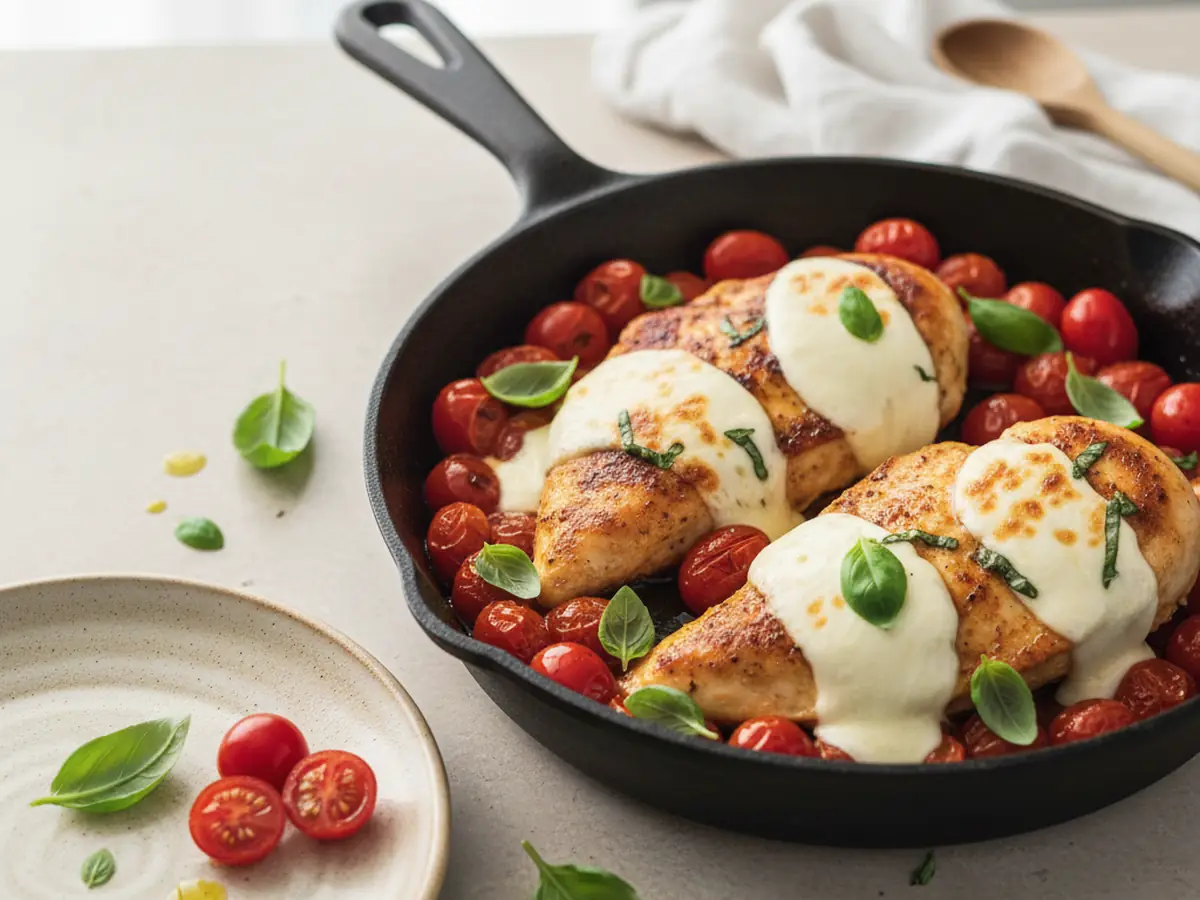
Caprese Chicken Skillet
Seared chicken breasts topped with tomatoes, melted mozzarella, and fresh basil.
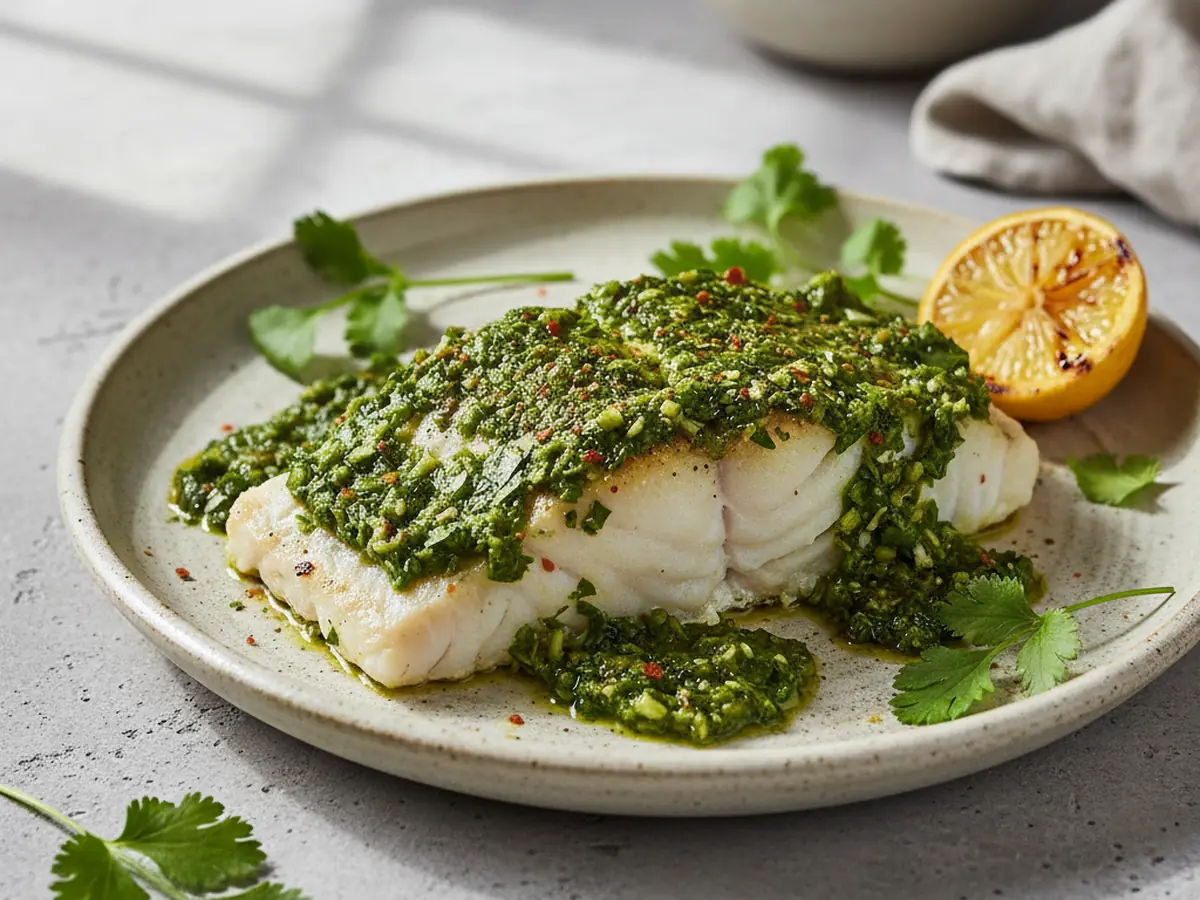
Chermoula Baked Cod
Flaky cod baked under chermoula, a Moroccan herb sauce with cilantro, parsley, cumin, paprika, and lemon.
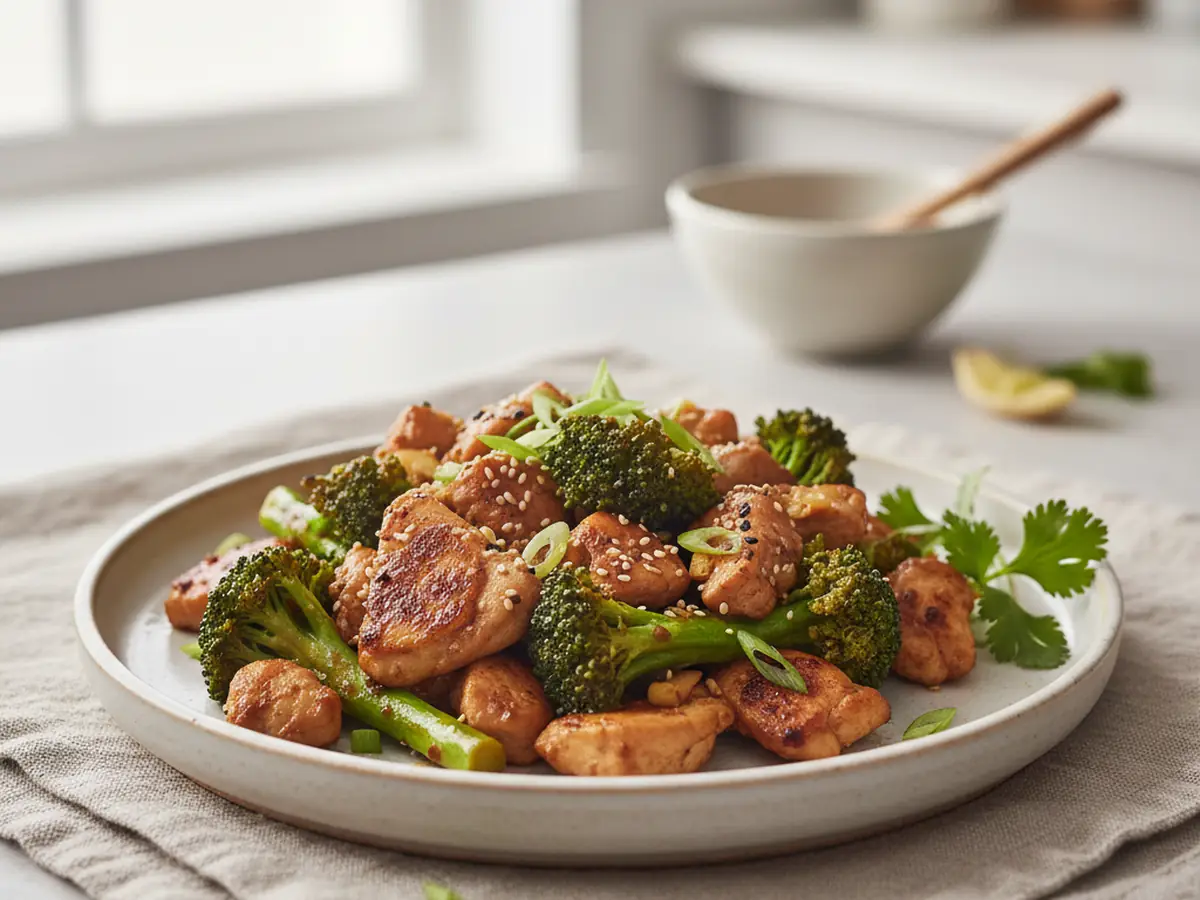
Asian-Style Chicken and Broccoli Stir-Fry
A quick stir-fry of chicken thighs and broccoli in a ginger, garlic, and tamari sauce.
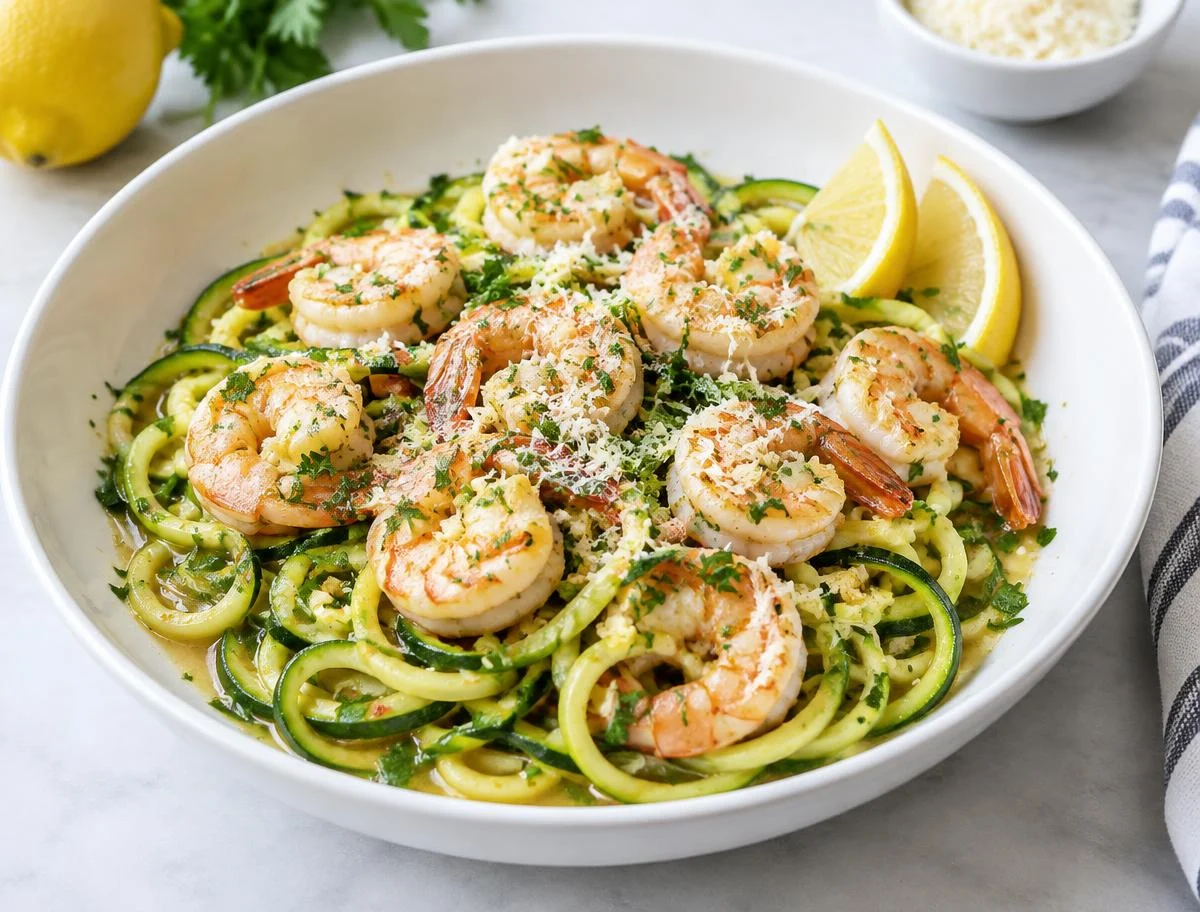
Shrimp Scampi with Zucchini Noodles
Garlic-butter shrimp tossed with lemon, parsley, and tender zucchini noodles.
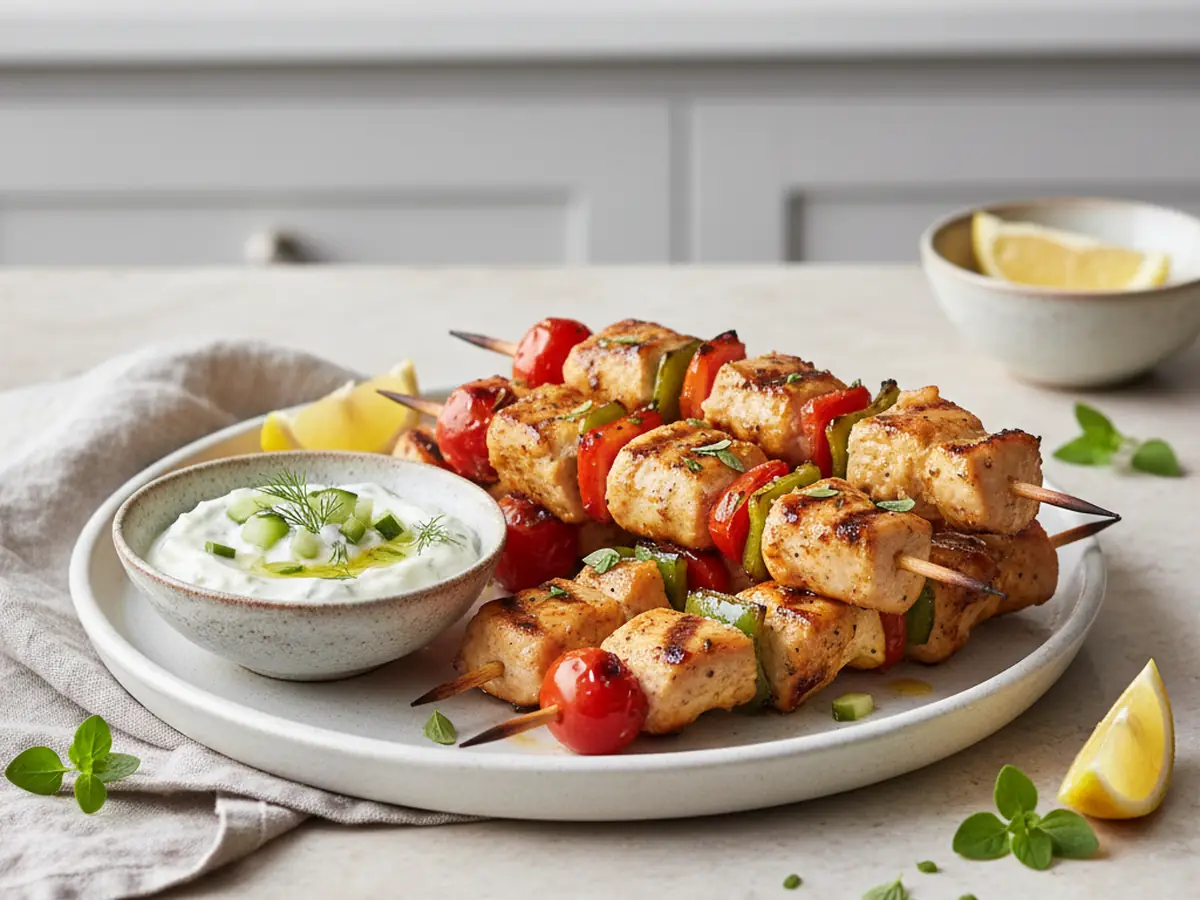
Greek Chicken Souvlaki with Tzatziki
Lemony marinated chicken skewers served with a cool cucumber-yogurt tzatziki.
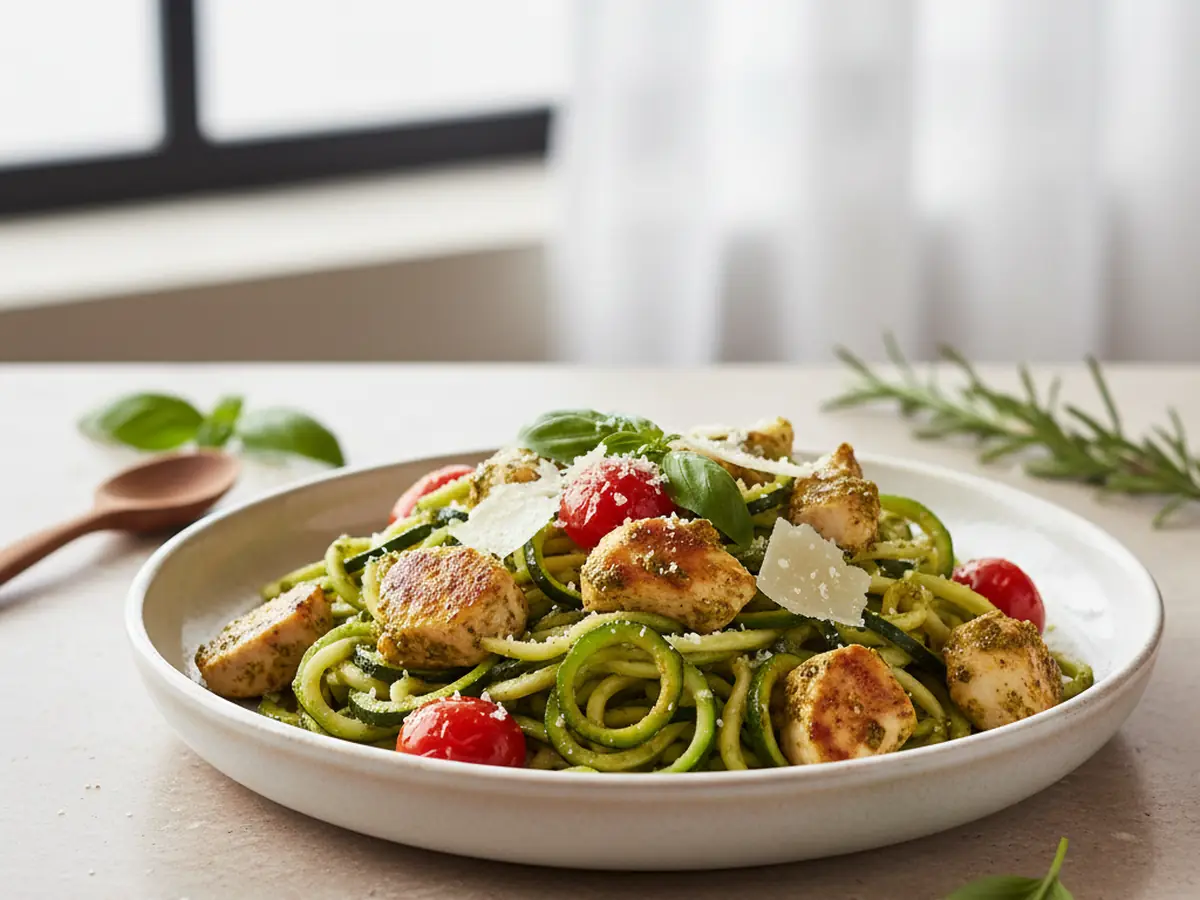
Pesto Chicken Zucchini Noodle Bowl
Sautéed chicken and zucchini noodles tossed in basil pesto, finished with cherry tomatoes and Parmesan.
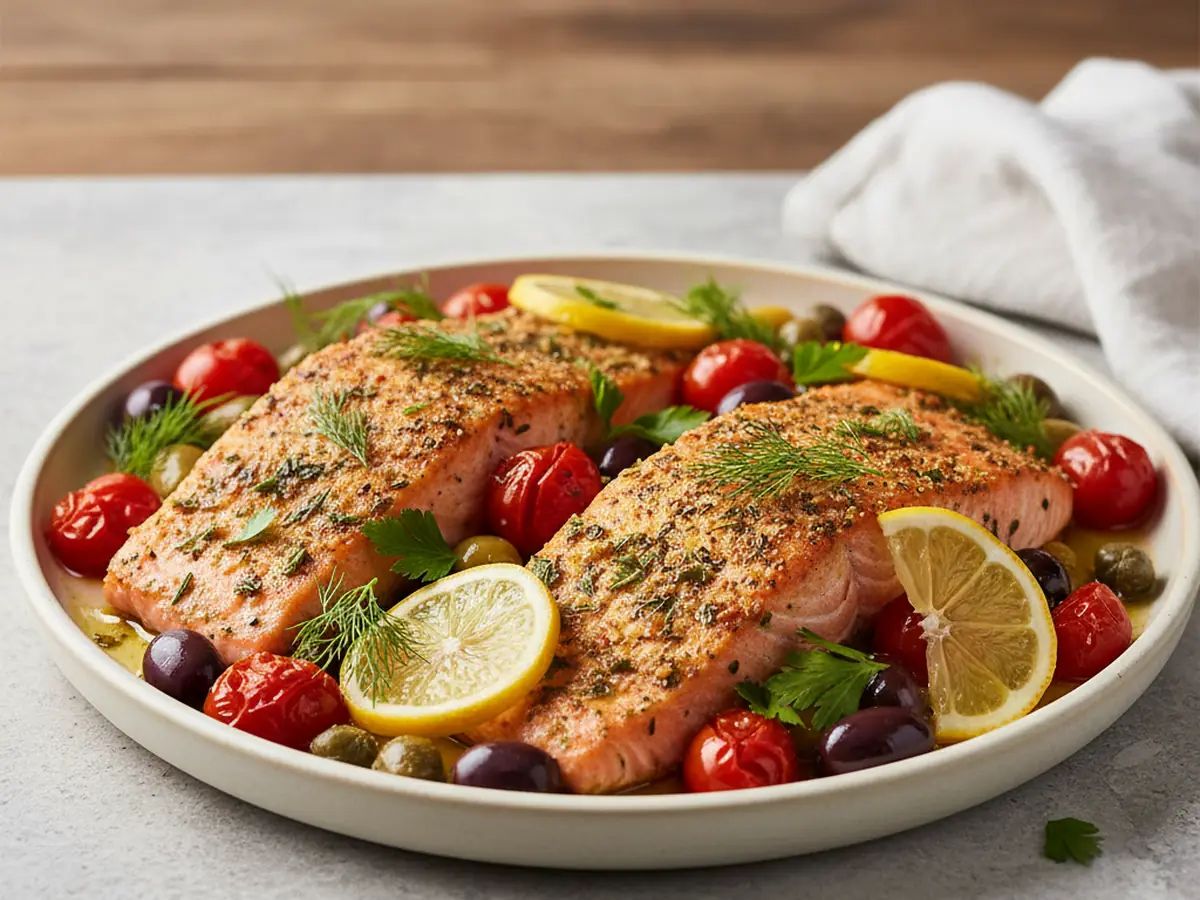
Mediterranean Baked Salmon with Olives and Tomatoes
Salmon fillets roasted with cherry tomatoes, Kalamata olives, capers, and lemon.
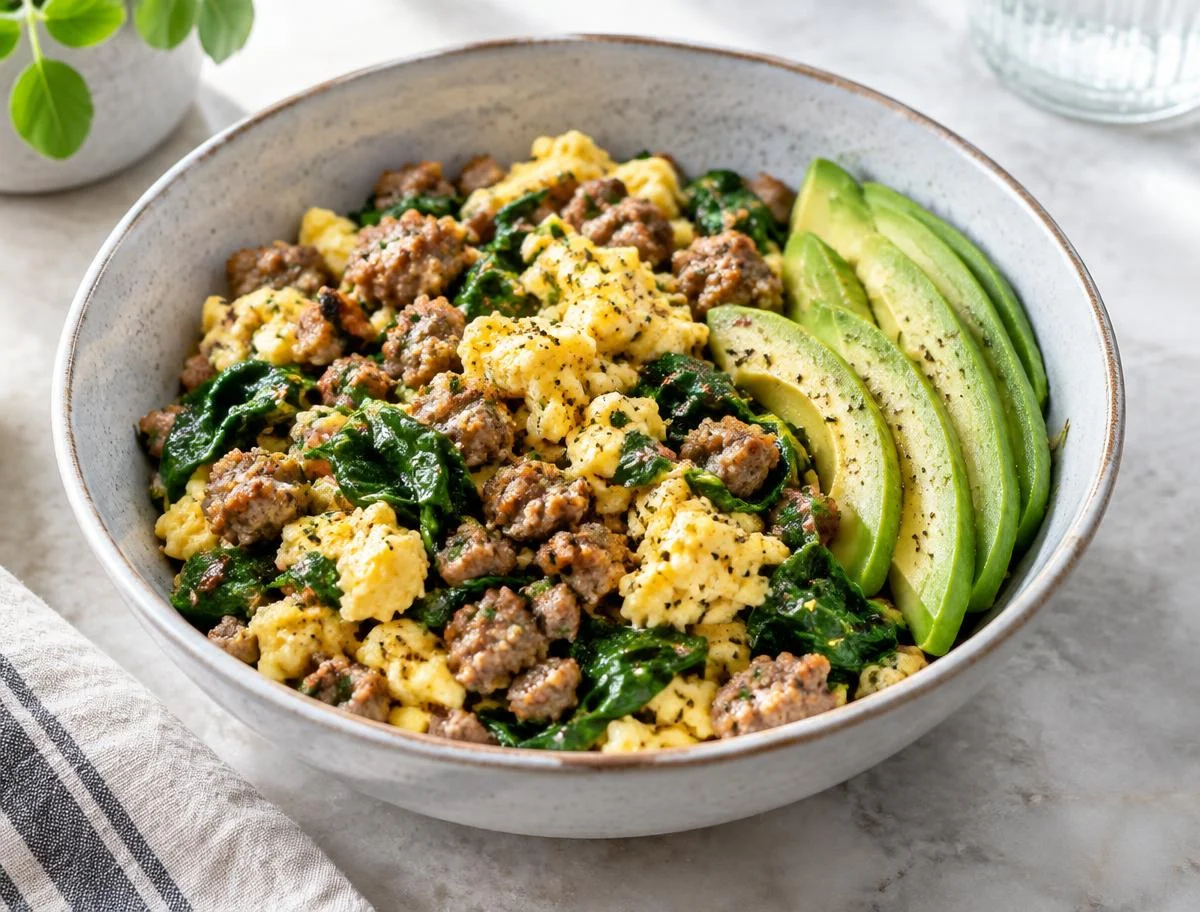
Turkey Sausage Scramble Bowls
Seasoned ground turkey scrambled with eggs and spinach, topped with sliced avocado.
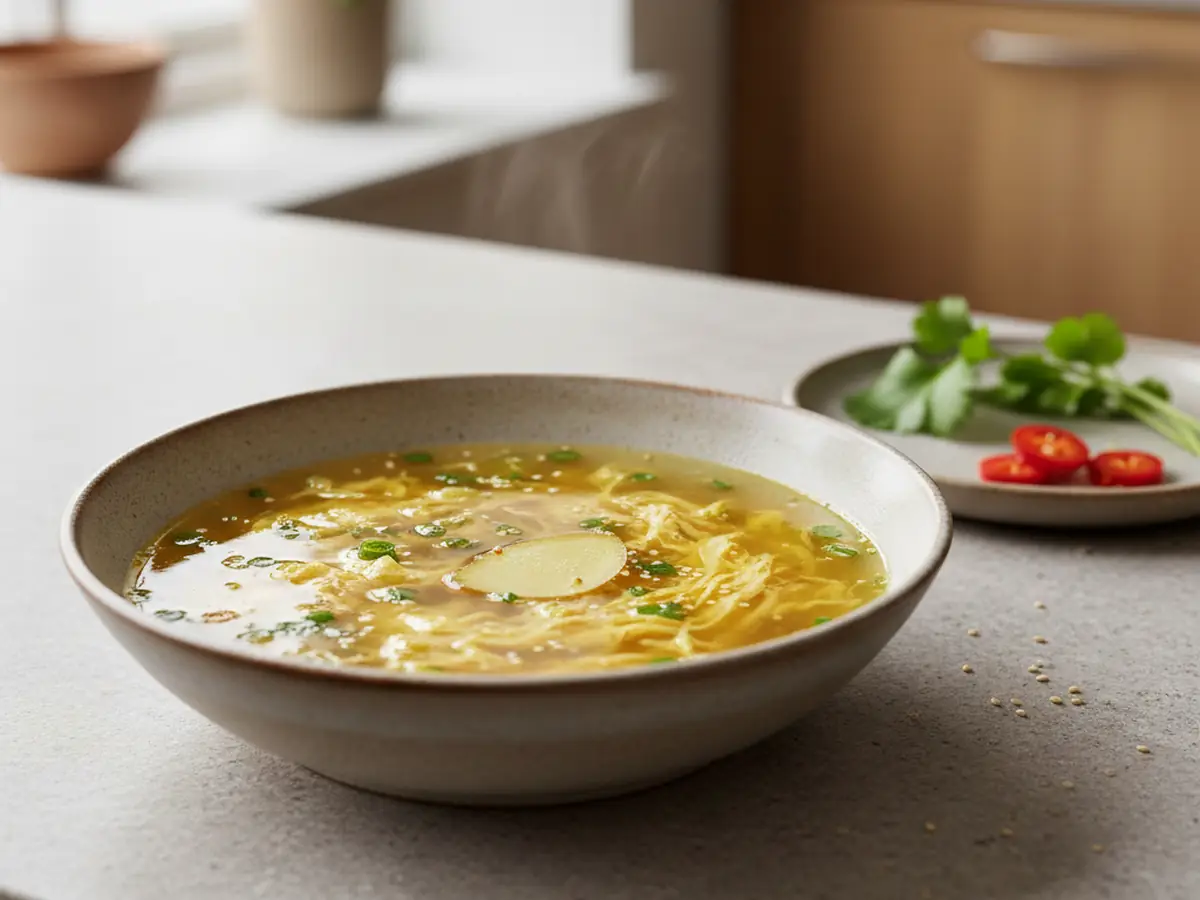
Egg Drop Soup
Silky ribbons of egg in a ginger-scented broth, a quick keto comfort soup.
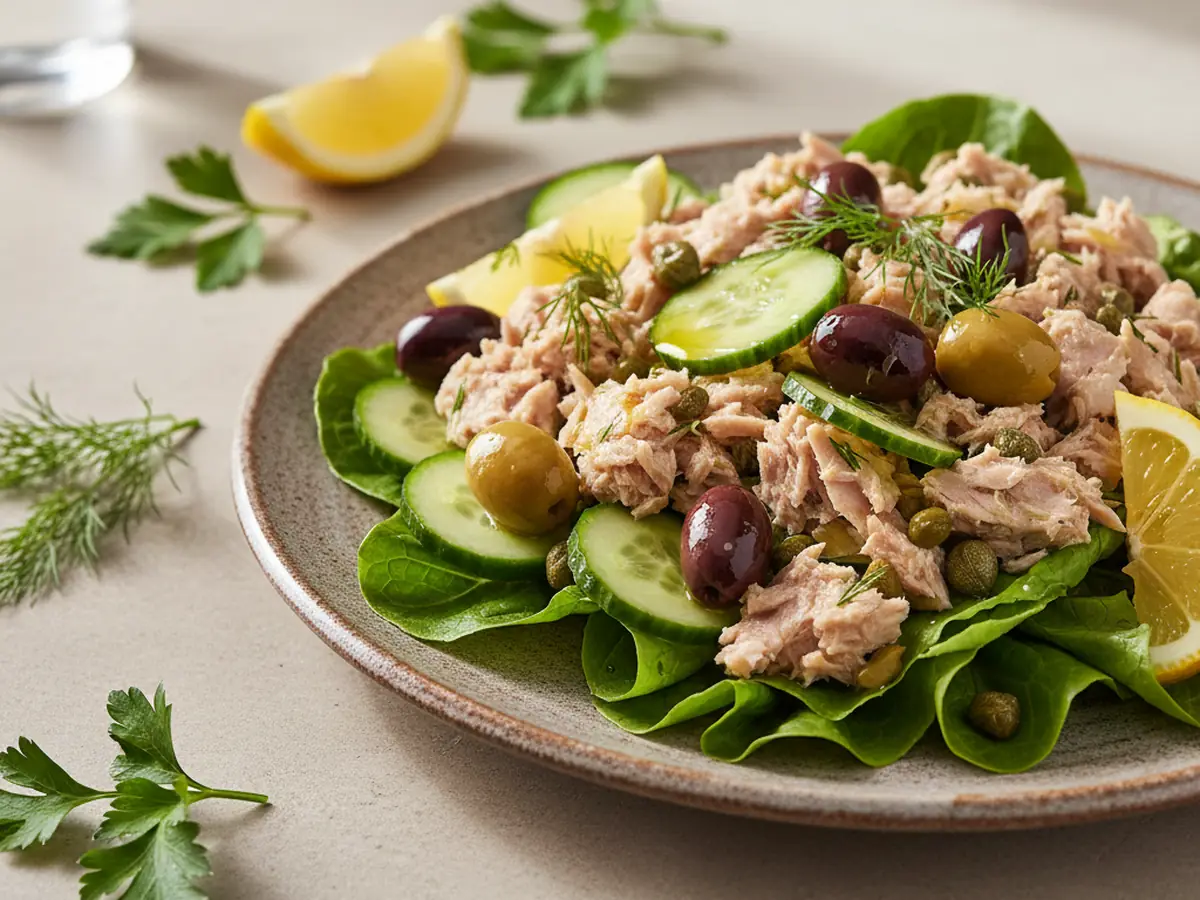
Mediterranean Tuna Salad with Olives and Capers
Flaky tuna with olives, capers, cucumber, and lemon over crisp romaine, dressed with olive oil.